 Pin It
 I discovered the magic of a Turkish cheese board on a warm afternoon in Istanbul, sitting at a neighborhood café where the owner casually assembled one while we talked. She moved with such ease—a handful of olives here, chunks of creamy cheese there—that it seemed almost too simple. But the first bite changed everything: the brininess of the olives against the cool, tangy feta, the way the honey pooled into little pockets of flavor. Now whenever I want to transport people to that feeling of unhurried Mediterranean time, this is what I make.
My neighbor knocked on the door one evening with a bottle of wine and an appetite, so I threw this together on a wooden board I'd forgotten I owned. She sat at my kitchen counter, not saying much at first, just eating olives and feta while we caught up. By the end of the night, that bare board was almost empty and we were laughing about something entirely different—but somehow it mattered that we'd shared that quiet, delicious moment first.
Ingredients
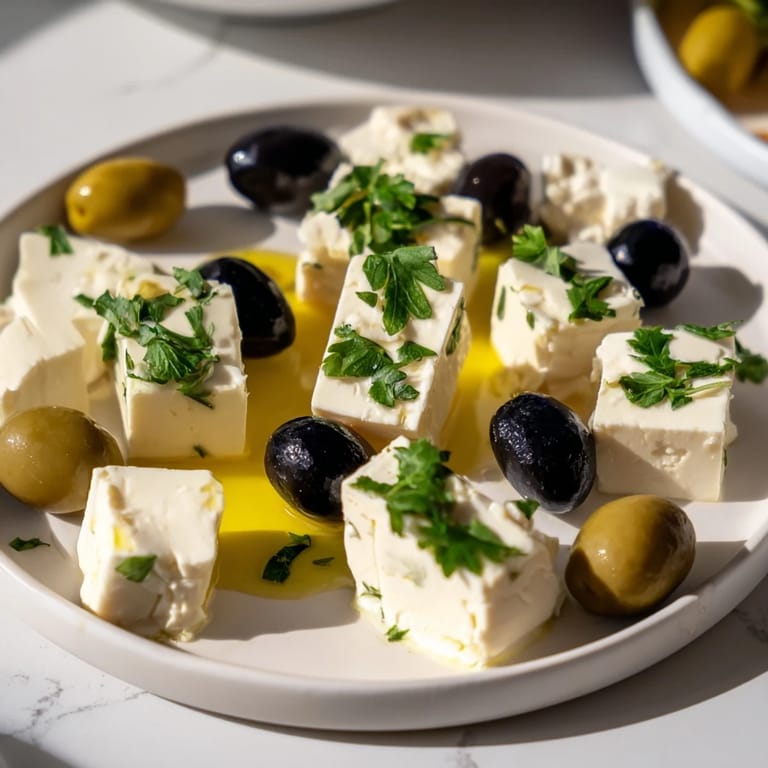
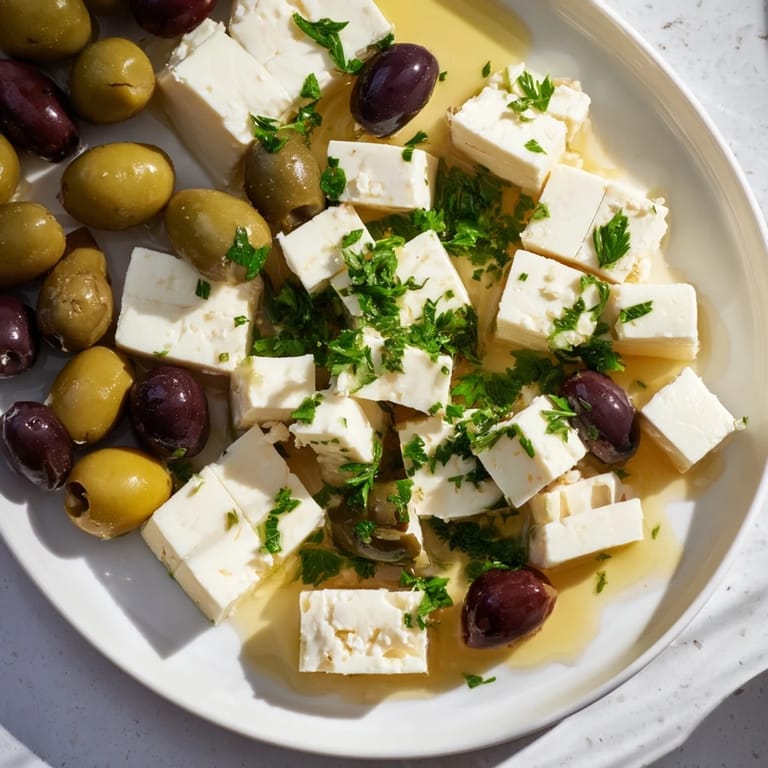
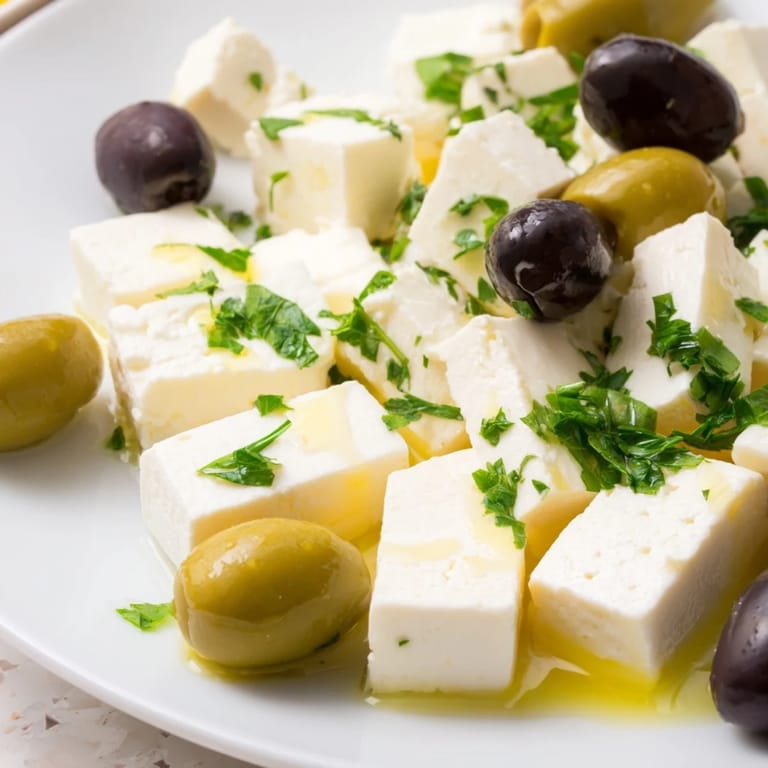
- Feta cheese, 100 g cubed: This is the star—creamy, salty, and sturdy enough to hold its shape on the board. Look for feta that's packed in brine rather than vacuum-sealed; it tastes brighter and more alive.
- Beyaz peynir, 100 g sliced: A milder Turkish white cheese that's softer and less funky than feta, giving your guests options. If you can't find it, creamy fresh mozzarella works beautifully.
- Brined green olives, 100 g: Their slight bitterness and firm bite balance the richness of the cheese. Don't drain them completely—a little of that brine keeps them vibrant.
- Brined black olives, 100 g: Earthier and more robust than green ones, they add depth and visual interest to the board.
- Honey, 4 tbsp: The secret weapon that bridges salty and sweet, encouraging you to taste things in unexpected combinations. Warm honey almost melts into crevices of cheese.
- Warm pita bread, 2–3 pieces: A vehicle for everything else and essential for soaking up all that flavor pooling on your plate.
- Fresh dill or parsley, 1 tbsp chopped: A whisper of herbaceousness that makes everything feel fresher and more intentional.
- Extra virgin olive oil, 1 tbsp: The final drizzle that ties the whole thing together—use one you actually like drinking.
- Crushed red pepper flakes: Just a pinch for those who like their food to talk back.
Tired of Takeout? 🥡
Get 10 meals you can make faster than delivery arrives. Seriously.
One email. No spam. Unsubscribe anytime.
Instructions
- Set the stage:
- Arrange your feta cubes and sliced beyaz peynir on a large board with some breathing room between them. Think of it like seating guests at a dinner table—you want them to mingle but not overcrowd.
- Add the olives:
- Scatter the green and black olives around the cheese, or nestle them into small bowls if you prefer (bowls prevent them from rolling everywhere). The contrast of colors is half the appeal.
- Drizzle the honey:
- Pour honey into a small bowl and set it on the board, or be bold and drizzle it directly over some of the cheese. Honey pooling on feta creates little pockets of sweetness that people can't resist.
- Warm and add the pita:
- Heat your pita in a dry skillet for 30 seconds per side until it's warm and pliable, or wrap it in foil and warm in a 350°F oven for a few minutes. Cut into wedges and add to the board while still warm.
- Finish with flourish:
- Scatter fresh herbs across the board, drizzle with olive oil, and add a whisper of red pepper flakes. This is where it stops being just food and becomes something people want to photograph.
- Serve and let it unfold:
- Bring the board to the table and watch how each person creates their own perfect bite—some will layer everything, others will eat things separately. That's the whole point.
 Pin It
 Years later, I made this for my daughter's friend who said she didn't really like olives. Halfway through the board, she was eating them straight from the bowl, mixing salty with sweet, realizing that context matters—olives taste different when they're part of something bigger than themselves. That's when I understood this board isn't really about the ingredients; it's about giving people permission to taste things their own way.
Building Your Own Perfect Bite
The beauty of this board is that there's no wrong way to eat it. Some people create sandwiches with pita and cheese. Others alternate between salty olives and creamy cheese like a game of flavor contrast. The honey drizzle turns cheese into something almost dessert-like, while the red pepper flakes add a small shock that makes you pay attention. Watch how differently your guests approach it, and you'll learn something about how they move through the world.
Timing and Temperature
The 15-minute timeline is about active hands-on time, but the real magic happens in the first few minutes after you set it down—when the warm pita is still steaming slightly and everything is at its peak. If you're making this ahead, keep the cheese and olives in the fridge and add them to the board just before serving, so they don't dry out. Warm the pita at the last moment, because cold pita tastes like cardboard and defeats the whole purpose.
Making It Your Own
This is a template, not a rule book. I've added thinly sliced cucumbers and tomatoes when I had them on hand. I've thrown in toasted walnuts for crunch. I've served it alongside crisp white wine, Turkish tea, or nothing but cold water. The constants are the cheese, olives, honey, and warmth—everything else bends to what you have and what your guests love. Think of it less as a recipe and more as a permission slip to build something beautiful without overthinking it.
- If you can't find beyaz peynir, any mild, creamy white cheese (fresh mozzarella, ricotta salata, even fresh chèvre) creates the right balance.
- Double-check that your honey is at room temperature or slightly warm—cold honey won't drizzle properly and tastes less sweet.
- Make the board no more than 15 minutes before serving to keep everything at its best texture and temperature.
 Pin It
 This board reminds me that the best meals often aren't complicated—they're just honest, with room for everyone at the table to find their own joy. Serve it warm, serve it with people you like, and everything else falls into place.
Recipe FAQs
- → What types of olives are used on the board?
Both green and black brined Turkish olives are used to provide a balanced salty and tangy flavor profile.
- → Can I substitute the cheeses if unavailable?
Beyaz peynir can be replaced with mild Greek feta or mozzarella without losing the creamy texture and tang.
- → How should the pita bread be prepared?
Warm pita bread briefly in a skillet or oven, then cut into wedges for a soft and inviting accompaniment.
- → Are there optional garnishes suggested?
Fresh herbs like dill or parsley, a drizzle of extra virgin olive oil, and crushed red pepper flakes can enhance the platter’s flavor and presentation.
- → What beverages pair well with this platter?
This board pairs nicely with crisp white wines or traditional Turkish tea to complement the savory and sweet elements.
- → Is this suitable for vegetarians?
Yes, this board is vegetarian-friendly, featuring cheeses and plant-based accompaniments without meat.