 Pin It
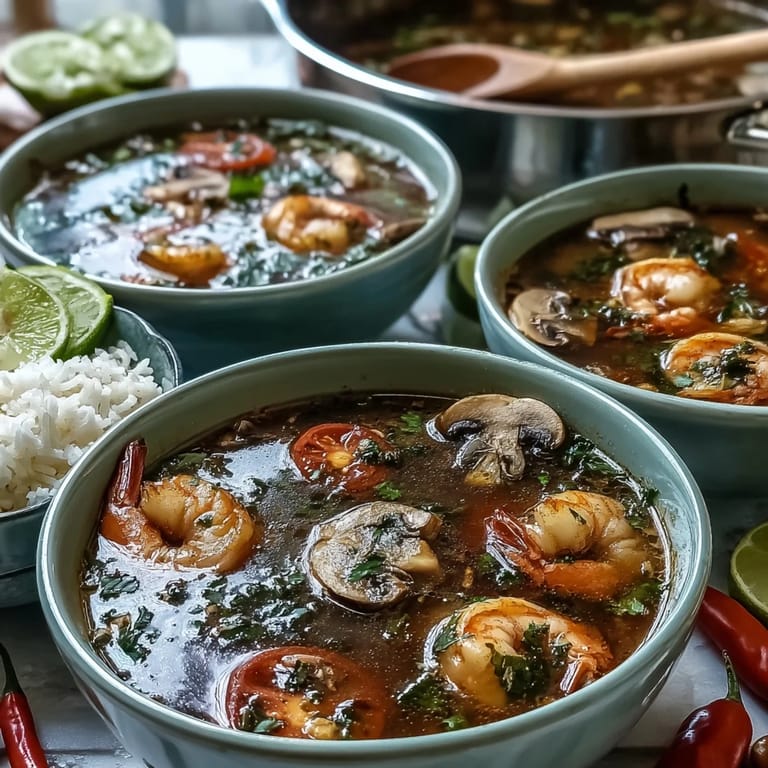
 The first time I made Tom Yum soup, my kitchen filled with aromas I'd never experienced before - the citrusy punch of lemongrass colliding with the sharp heat of Thai chiles. I'd picked up the ingredients from a tiny Asian market tucked away in a strip mall, the shopkeeper nodding approvingly at my selections while slipping an extra lime into my bag. Standing over the steaming pot, stirring and tasting, I felt transported thousands of miles away despite the snow falling outside my window.
Last winter, my friend Sarah came down with a terrible cold, and I showed up at her door with a thermos of this Tom Yum soup. The look on her congested face when she inhaled the aromatic steam was priceless - somewhere between shock and relief. She called me the next morning claiming it had magical healing powers, and honestly, with that combination of chiles and fragrant herbs, I almost believe it does.
Ingredients
- Lemongrass: The backbone of authentic Tom Yum, its subtle citrus notes become more pronounced when you really bruise it well with the side of your knife before adding to the broth.
- Kaffir Lime Leaves: These wrinkly little powerhouses release incredible fragrance - I once substituted regular lime zest and while good, it just wasnt the same complexity.
- Thai Birds Eye Chiles: Deceptively tiny but fiercely hot, I learned to string them whole on a thread so they can be easily removed if the heat gets too intense for guests.
- Galangal: Similar to ginger but with a sharper, more piney flavor that cant be perfectly replicated, though ginger makes a workable substitute in a pinch.
- Nam Prik Pao: This roasted chili paste adds a depth that plain chiles cant achieve - its my secret weapon for that restaurant-quality richness.
Tired of Takeout? 🥡
Get 10 meals you can make faster than delivery arrives. Seriously.
One email. No spam. Unsubscribe anytime.
Instructions
- Create Your Aromatic Base:
- Bring your stock to a gentle boil, then add the lemongrass, kaffir lime leaves, galangal, chiles, garlic, and onion. The kitchen will immediately fill with a fragrant steam that signals youre on the right track.
- Build Your Soup Body:
- Add the mushrooms and tomatoes, watching as they soften and release their flavors into the broth. The tomatoes will begin to break down slightly, giving the soup a subtle sweetness that balances the sourness to come.
- Add Your Protein:
- Slip in your shrimp or tofu, being careful not to overcook. With shrimp, youre looking for that perfect moment when they just turn pink and curl into little crescents.
- Balance The Flavors:
- This is where the magic happens - stir in fish sauce for saltiness, lime juice for sour brightness, and a touch of sugar to round everything out. Take a moment to taste and adjust, making it uniquely yours.
- Garnish With Fresh Elements:
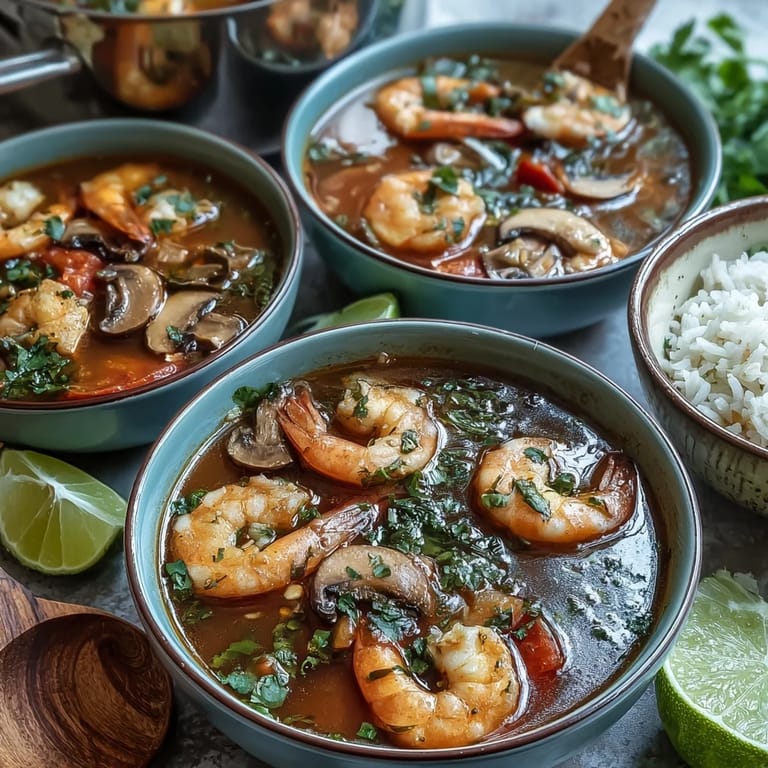
- Ladle the steaming soup into bowls and scatter with cilantro and green onions. These fresh herbs provide a color contrast and aromatic pop that makes each spoonful exciting.
 Pin It
 During grad school finals week, I started making this soup whenever stress levels peaked. My apartment mates would drift into the kitchen one by one, drawn by the distinctive aroma of lemongrass and lime. Wed sit crowded around my small table, slurping from mismatched bowls, the conversation flowing as freely as the soup. By the third night, it had become our unofficial study ritual - complex flavors to match our complex subjects.
Customizing Your Tom Yum
The beauty of Tom Yum lies in its adaptability to your palate. In my household, my partner prefers it tongue-numbingly spicy while I enjoy a more moderate heat that lets the herbal notes shine through. We compromise by keeping extra sliced chiles and chili paste on the table, letting each person doctor their own bowl. This approach has saved countless dinner debates and allowed us both to enjoy the soup exactly as we like it.
Serving Suggestions
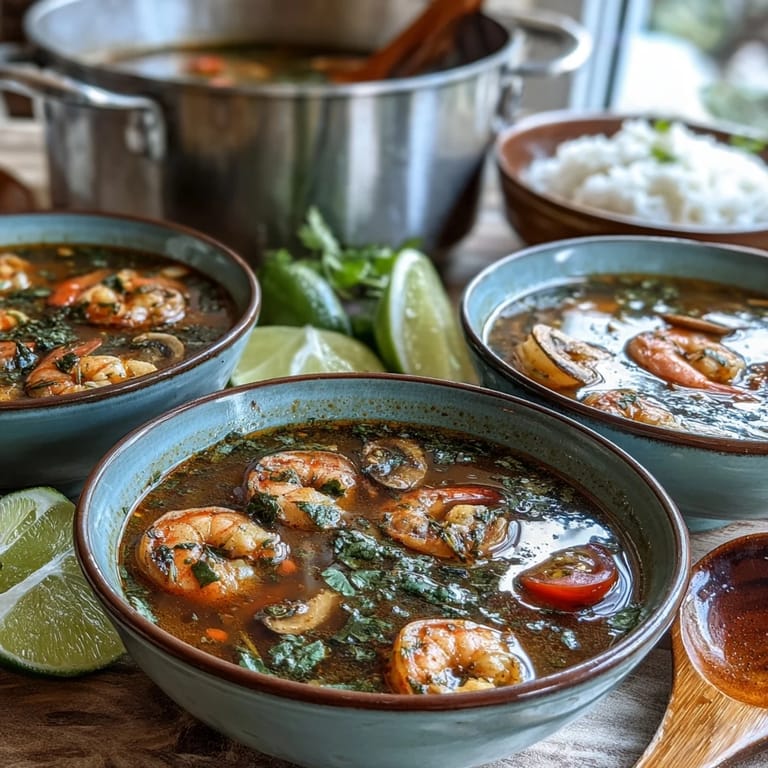
Theres something magical about pairing Tom Yum with a simple bowl of jasmine rice. The rice soaks up the broth while tempering the intensity, creating a perfect vehicle for all those complex flavors. One particularly memorable evening, I served this alongside some simple spring rolls with a peanut dipping sauce, and the contrast between the hot, sour soup and the cool, crunchy rolls created a meal my friends still talk about years later.
Storage and Reheating
Tom Yum is one of those rare soups that actually improves overnight as the flavors meld and deepen. I discovered this by accident when I tucked away leftovers and revisited them for lunch the next day, finding the broth had intensified in the most delightful way.
- Store any leftover soup in an airtight container in the refrigerator for up to 3 days, keeping in mind the lime flavor will intensify over time.
- When reheating, do so gently on the stovetop just until steaming, as boiling can make the herbs bitter and overcook the shrimp.
- Consider adding a fresh squeeze of lime and a few new herb leaves just before serving to brighten up the reheated soup.
 Pin It
 This Tom Yum soup has traveled with me through seasons and celebrations, always bringing comfort and a touch of adventure to my table. I hope it brings the same bright flavors and warm memories to yours.
Recipe FAQs
- → What makes Tom Yum sour?
The sourness comes primarily from fresh lime juice added at the end of cooking. The acidity balances perfectly with the spicy chiles and savory fish sauce.
- → Can I make this vegetarian?
Absolutely. Use vegetable stock instead of chicken stock, substitute tofu for shrimp, and replace fish sauce with soy sauce or a vegetarian fish sauce alternative.
- → What's the difference between Tom Yum and Tom Kha?
Tom Yum is a clear sour and spicy soup, while Tom Kha includes coconut milk making it creamy. Both share similar aromatic ingredients like lemongrass, galangal, and kaffir lime leaves.
- → How spicy is this soup?
The spice level is adjustable based on the number of Thai birds eye chiles you use. Two chiles provide medium heat. Remove seeds for less spice or add more for extra heat.
- → Can I use ginger instead of galangal?
Yes, ginger makes a suitable substitute if galangal is unavailable. While galangal has a distinct piney citrus flavor, ginger will still provide aromatic warmth to the broth.
- → How long does the broth keep?
Store cooled soup in an airtight container in the refrigerator for up to 3 days. The flavors actually develop more depth overnight. Reheat gently on the stovetop.