 Pin It
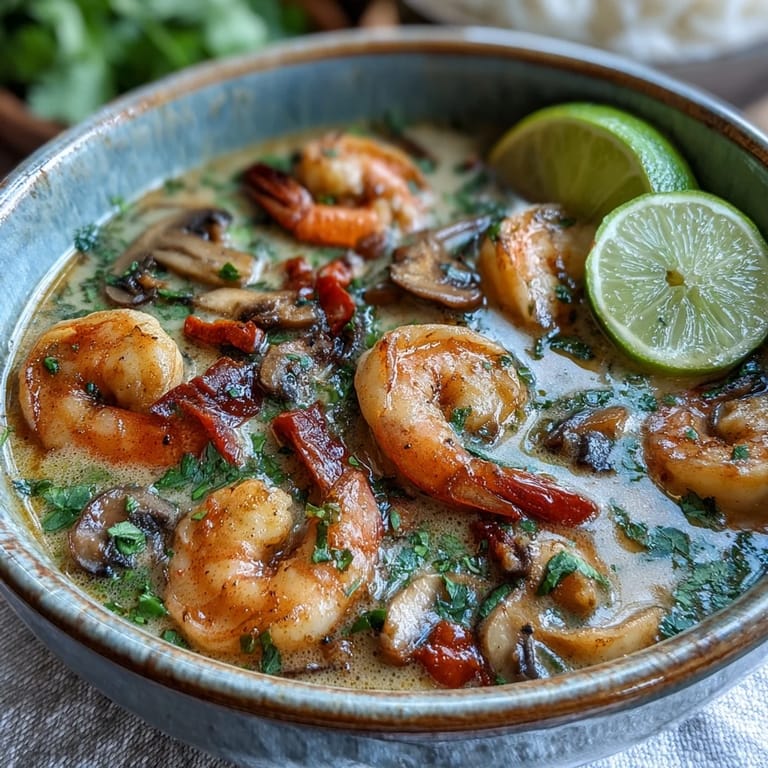
 The first time I made this Thai coconut shrimp soup, I was transported back to a tiny beachside restaurant in Phuket where the air smelled of lemongrass and the sea. My kitchen filled with the same aromatic steam as I stirred the fragrant broth, coconut milk swirling into golden ripples. The distinct tap-tap-tap of my knife against the cutting board as I prepared the aromatics became a kind of culinary meditation. Even my cat, normally indifferent to my cooking, appeared in the kitchen, nose twitching at the exotic scents.
Last winter, during that awful cold snap when everyone was sick, I made a huge pot of this soup and delivered it to three neighbors who were battling the flu. The texts I received afterward were priceless, especially from Mr. Garcia next door who claimed the soup cleared his sinuses better than any medicine. His wife called it liquid sunshine in a bowl, which might be the best compliment my cooking has ever received. We now joke that my Thai soup has magical healing properties.
Ingredients
- Lemongrass: The woody heart of this soup that infuses the broth with citrusy notes without acidity, and I learned to really bruise it with the back of my knife to release more flavor.
- Thai red curry paste: The secret powerhouse ingredient that does the heavy lifting flavor-wise, adding depth that would take hours to develop otherwise.
- Fish sauce: That initial smell might make you doubt everything, but trust me, it transforms into pure umami magic once it melds with the other ingredients.
- Coconut milk: Go full-fat for this one, as the richness creates the silky texture that makes this soup so comforting and satisfying.
- Raw shrimp: The gentle poaching in the fragrant broth keeps them incredibly tender, and I always keep the tails on a few for presentation and extra flavor in the broth.
Tired of Takeout? 🥡
Get 10 meals you can make faster than delivery arrives. Seriously.
One email. No spam. Unsubscribe anytime.
Instructions
- Create your aromatic base:
- Heat a splash of oil in your pot until it shimmers, then add those fragrant ingredients, the onion, garlic, lemongrass, ginger and chili. Youll know its ready when your kitchen smells like a Thai restaurant and the onions turn translucent.
- Bloom the curry paste:
- This is where the magic starts, as you stir in that vibrant red curry paste and let it sizzle just enough to wake up all its flavors. Watch for that moment when the paste darkens slightly and becomes intensely aromatic.
- Build your broth:
- Pour in the coconut milk slowly, watching it transform from clear to creamy as you stir. Add the chicken broth and torn kaffir lime leaves, bringing everything to a gentle simmer where small bubbles just kiss the surface.
- Add your vegetables:
- The mushrooms go in first, soaking up all that incredible flavor as they soften. They should still have a slight bite when you move to the next step.
- Cook the shrimp:
- These delicate pink beauties need just 2-3 minutes to transform from translucent to perfectly opaque. Watch them closely as overcooking will turn them rubbery.
- Balance the flavors:
- Now comes the art of Thai cooking, adding fish sauce for salt, sugar for sweetness, and lime juice for brightness. Taste and adjust until you find that perfect harmony of sweet, sour, salty, and spicy.
- Remove the inedibles:
- Fish out the lemongrass stalks, ginger slices, and lime leaves that have done their aromatic duty. Think of them as flavor teabags that have steeped long enough.
- Serve with flair:
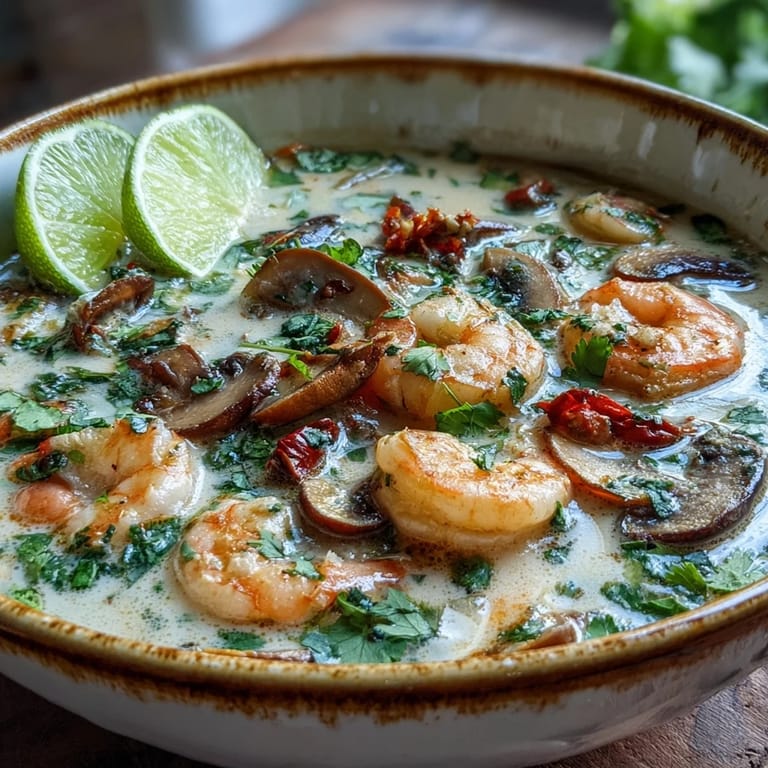
- Ladle the soup into bowls and crown each with fresh cilantro, sliced green onions, and a lime wedge for squeezing. The garnishes add that final layer of fresh flavor and visual appeal.
 Pin It
 My daughter announced she was bringing her new boyfriend home for dinner, and I panicked until remembering this soup, which has never failed to impress. As they sat at my kitchen island watching me prepare it, the conversation flowed as easily as the broth, with him asking questions about each ingredient. By the time we were eating, the initial awkwardness had dissolved completely. When he asked for seconds and then shyly requested the recipe for his mother, I knew hed be sticking around, and he has, becoming part of our Sunday dinner tradition.
Make It Your Own
What I love most about this Thai coconut shrimp soup is how easily it adapts to what you have on hand or dietary needs. For vegetarians in my family, I swap the shrimp for cubes of firm tofu and vegetable broth, letting the tofu soak up the aromatic broth. One particularly memorable dinner party, I was out of red curry paste and substituted green curry paste with a touch more lime, creating an entirely new soup that guests still request by name. The soup also welcomes additional vegetables like snow peas, bell peppers, or baby corn, which not only stretch the soup but add delightful texture and color.
Serving Suggestions
While this soup stands beautifully on its own as a complete meal, Ive discovered some wonderful accompaniments through trial and error. A small bowl of steamed jasmine rice served alongside gives everyone the option to add a spoonful to their soup, thickening it slightly while providing a subtle canvas for the vibrant flavors. For casual gatherings, I sometimes arrange a platter of fresh bean sprouts, extra lime wedges, sliced chilies, and thai basil leaves so everyone can customize their bowl. When Im feeling particularly ambitious, I pair this soup with crispy spring rolls or a simple cucumber salad dressed with rice vinegar and a touch of sugar for a refreshing contrast.
Storage and Reheating
The flavors in this soup actually deepen overnight, making it one of those rare dishes that improves as leftovers. I discovered this accidentally when a sudden power outage interrupted our dinner, forcing us to reheat the soup the next day, which everyone agreed tasted even better. The coconut milk will sometimes separate when refrigerated, creating a solid layer on top, but this is completely normal and will reincorporate when gently reheated.
- Store any leftover soup in an airtight container in the refrigerator for up to 3 days, keeping in mind the shrimp texture will change slightly each day.
- For reheating, use gentle heat on the stovetop rather than microwaving to prevent the coconut milk from separating and the shrimp from becoming tough.
- If you know youll have leftovers, consider keeping some raw shrimp aside to cook fresh when reheating the base, giving you that just-made texture even on day two.
 Pin It
 This Thai coconut shrimp soup has become more than just a recipe in my household, its our comfort food on rainy days and celebration dish on sunny ones. Each spoonful reminds me that sometimes the most meaningful connections happen not through grand gestures, but through a simple, flavorful bowl shared with people we care about.
Recipe FAQs
- → Can I make this soup vegetarian?
Yes, simply substitute the shrimp with firm tofu cubes and replace the fish sauce with soy sauce or a vegetarian alternative. The result is just as flavorful and satisfying.
- → How spicy is this coconut shrimp soup?
The spice level depends on the red curry paste you choose. For a milder version, use less curry paste or omit the fresh chili. You can always add more heat later with additional chili slices.
- → Can I freeze this soup for later?
While you can freeze the broth base, I recommend adding fresh shrimp when reheating rather than freezing them cooked, as they can become rubbery. The soup keeps well in the refrigerator for 2-3 days.
- → What can I serve with this soup?
Jasmine rice makes an excellent accompaniment, soaking up the flavorful broth. You can also serve it with crusty bread or enjoy it on its own as a light, complete meal.
- → Can I adjust the soup's consistency?
Absolutely. For a thicker soup, use more coconut milk or less broth. If you prefer it lighter, increase the broth ratio. The key is maintaining the balance of flavors while adjusting to your preferred consistency.
- → Is lemongrass essential for this dish?
Lemongrass provides that signature Thai aroma, but if unavailable, you can substitute with lemon zest and a squeeze of extra lime juice. While not identical, it still delivers a citrusy fragrant note to the soup.