 Pin It
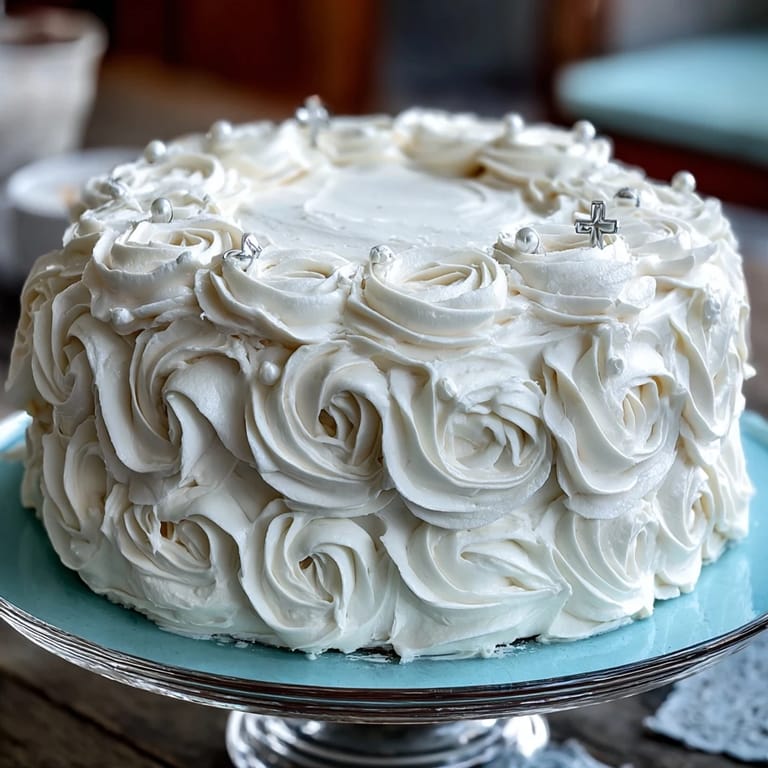
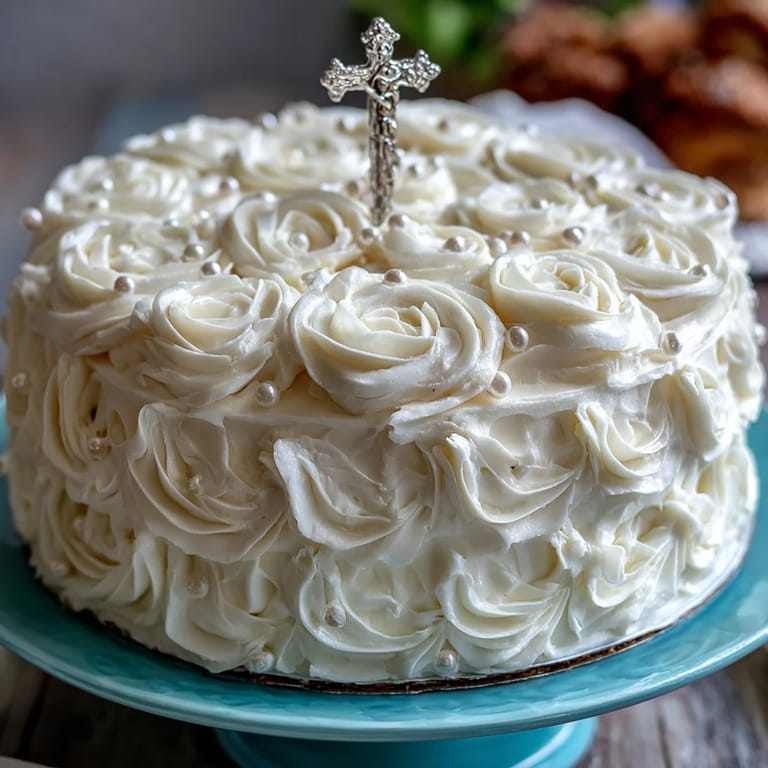
 My neighbor asked me to bake her daughter's First Communion cake three weeks before the date, and I almost said no—until she mentioned wanting something simple yet meaningful. Standing in her kitchen with Pinterest pulled up on her phone, I realized this wasn't about impressing anyone with complicated techniques, but about creating a cake that felt reverent and joyful at once. That afternoon, I sketched out layers of tender vanilla sponge, silky buttercream, and hand-sculpted fondant roses, imagining how the delicate white flowers and cross topper would catch the light during the celebration. It became clear that sometimes the most elegant cakes are born from listening to what matters most to someone else.
I'll never forget watching that little girl's face light up when she walked into the hall and saw her cake on the dessert table—the white roses seemed to glow under the fairy lights someone had strung overhead. Her mom squeezed my arm and whispered that she wished she could have made it herself, so I promised to walk her through it the next time. Six months later, she did, and it turned out beautifully, proving that this cake has a way of bringing people closer to the things they want to create.
Ingredients
- All-Purpose Flour (2 ½ cups): The foundation of your sponge; whisk it together with baking powder and salt first so every bite rises evenly and stays tender.
- Baking Powder (2 ½ tsp): Don't skip this or halve it—it's what gives the cake that gentle, cloud-like crumb that makes people ask for seconds.
- Unsalted Butter (1 cup for sponge, 1 ½ cups for frosting): Room temperature butter creams better and traps air, which means a lighter cake; cold butter will fight you every step.
- Granulated Sugar (2 cups): Creamed with butter until fluffy, it aerates the batter and keeps the cake moist without being dense.
- Eggs (4 large, room temperature): Cold eggs don't emulsify as smoothly; let them sit out while your oven preheats, and you'll notice the difference in texture.
- Pure Vanilla Extract (1 tbsp plus 2 tsp): The soul of this cake—use real vanilla, not imitation, and you'll taste the difference in every crumb.
- Whole Milk (1 cup, room temperature): Alternating it with flour keeps the batter balanced and prevents overdevelopment of gluten, which would make the cake tough.
- Powdered Sugar (5 cups, sifted): Sifting removes lumps so your buttercream spreads like silk instead of feeling grainy.
- White Fondant (16 oz): Work it gently and briefly; overworking makes it sticky and hard to shape into those delicate roses.
- Edible Pearls or Silver Dragees (optional): These catch light and add elegance, turning the cake from pretty to unforgettable without much effort.
- Cross Topper (1): This becomes the focal point, so choose one that reflects the spiritual importance of the occasion.
Tired of Takeout? 🥡
Get 10 meals you can make faster than delivery arrives. Seriously.
One email. No spam. Unsubscribe anytime.
Instructions
- Prepare Your Pans and Preheat:
- Heat your oven to 350°F and grease both 8-inch pans generously, then line the bottoms with parchment—this prevents sticking and makes turning out the layers worry-free. Have everything ready so you can move straight from mixing to baking without hesitation.
- Dry Ingredients First:
- Whisk flour, baking powder, and salt together in a medium bowl; this distributes the leavening evenly so every bite rises the same way. Set it aside and don't rush this step.
- Cream the Butter and Sugar:
- Beat room-temperature butter with granulated sugar for about 3 minutes until the mixture looks pale and fluffy—listen for the mixer to slow down slightly as air gets trapped. This is the magic that makes your cake light and tender.
- Add Eggs Gradually:
- Drop in one egg at a time, beating well after each addition so it fully incorporates before the next one joins; this keeps the batter from looking curdled or separated. If it does look broken, don't panic—keep beating and it'll come together.
- Mix in Vanilla:
- Pour in the vanilla extract and mix until you can smell it throughout the batter, which means it's well combined.
- Alternate Flour and Milk:
- Switch the mixer to low speed and add a third of the flour mixture, then half the milk, then another third of flour, the rest of the milk, and finally the last of the flour. This method prevents overdevelopment of gluten and keeps the crumb tender.
- Fill and Bake:
- Divide the batter evenly between your prepared pans and smooth the tops gently. Bake for 30 to 35 minutes until a toothpick inserted in the center comes out clean with just a few moist crumbs clinging to it.
- Cool with Patience:
- Let the cakes rest in their pans for 10 minutes so they firm up enough to handle, then turn them out onto wire racks to cool completely. This prevents them from breaking apart while still warm.
- Make Your Buttercream:
- Beat softened butter until creamy, then gradually add sifted powdered sugar a bit at a time, scraping down the bowl often. Add vanilla and a pinch of salt, then incorporate milk or heavy cream one tablespoon at a time until the frosting is silky and spreadable.
- Level and Crumb Coat:
- If your cake layers have domed tops, use a serrated knife to level them gently so they stack evenly. Place one layer on your cake board, spread with buttercream, top with the second layer, then coat the entire cake thinly and chill for 20 minutes—this crumb coat seals in loose crumbs so your final frosting stays pristine.
- Final Frosting:
- Apply a smooth, generous layer of buttercream over the crumb coat, using an offset spatula dipped in warm water for the silkiest finish.
- Shape Fondant Roses:
- Roll white fondant to 1/8-inch thickness and cut small circles, then flatten each one slightly and layer them into rose shapes—start with a tight center and add petals outward. This takes patience but feels meditative once you find your rhythm.
- Decorate with Care:
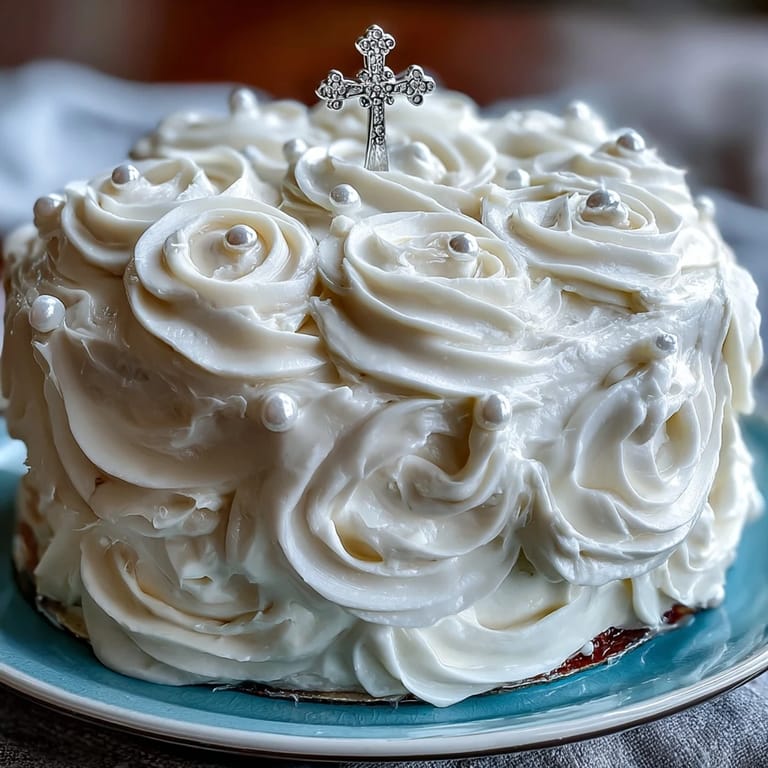
- Arrange your fondant roses on the cake in whatever pattern feels right to you, add green fondant leaves if you like, and scatter edible pearls for sparkle. Place the cross topper at the center or wherever it looks most meaningful.
- Chill Before Serving:
- Refrigerate the finished cake for at least an hour so everything sets and the flavors meld together beautifully.
 Pin It
 The moment that really stayed with me was watching three generations of women gathered around the cake after the ceremony—the grandmother remarking that it looked almost too pretty to cut, the mother laughing and saying they'd bought extra forks just in case everyone wanted seconds. That's when I understood that a beautiful cake isn't just decoration; it's an invitation for people to pause and celebrate together.
The Secret to Tender Sponge
The technique of alternating dry and wet ingredients matters more than most people realize, and I learned this the hard way when I once skipped straight to mixing everything together. The resulting cake was dense and slightly tough, even though my measurements were perfect—turns out, overmixing gluten into the batter is what happens when you combine everything at once. Now I take my time, and the difference is immediate and dramatic: a cake that feels pillowy on your tongue instead of heavy in your mouth.
Why Fondant Roses Feel Less Intimidating Than You Think
The first time I made fondant roses, I watched a YouTube video three times and still thought I'd mess them up—but something shifted when I stopped thinking about making them perfect and started treating it like playing with clay. Each petal is just a flattened ball with a gentle curve; there's no right or wrong shape because flowers in nature aren't symmetrical anyway. My hands remembered what my brain kept second-guessing, and suddenly I had a rose that looked beautiful because it looked real, not because it looked flawless.
Making This Cake Feel Personal
While the vanilla sponge and white buttercream are classic for a reason, this cake becomes truly special when you add small personal touches that reflect the person being celebrated.
- If the child loves a particular color, tint a small batch of fondant and incorporate ribbon, accents, or subtle brushstrokes instead of sticking strictly to white.
- Consider adding lemon zest or almond extract to the sponge batter for a flavor variation that still feels elegant and reverent.
- Your cross topper should mean something—whether that's a family heirloom topper, a handmade one, or a store-bought piece that resonates with your faith or the family's wishes.
 Pin It
 This cake has taught me that celebration baking is less about perfection and more about showing up with care for someone else's important day. Make it, share it, and know that the slight imperfections are what make it real and unforgettable.
Recipe FAQs
- → How do you achieve moist vanilla sponge layers?
Using softened butter and properly creaming it with sugar helps trap air for lightness. Alternating dry ingredients with milk maintains moisture and tenderness.
- → What is the best way to make smooth buttercream frosting?
Beat butter until creamy, then gradually add sifted powdered sugar and vanilla. Adding milk or cream in small amounts ensures a spreadable, smooth texture.
- → How are the white fondant roses crafted?
Small balls of fondant are flattened and shaped into petals, then carefully assembled into rose shapes. Tinting a bit of fondant green creates realistic leaves.
- → Can the cake be modified for dietary restrictions?
Yes, substituting half the butter with vegetable oil lightens the texture, and gluten-free flour blends can replace all-purpose flour for gluten sensitivity.
- → What tools are recommended for decorating?
Essential tools include rolling pins for fondant, offset spatulas for frosting, and fondant shaping tools or small knives to create delicate decorations.