 Pin It
 My neighbor's kitchen smelled like a bustling market when she first taught me this noodle bowl, steam rising from a pot while she worked with the kind of ease that only comes from cooking something a hundred times. She moved through the steps like choreography, her hands knowing exactly when the shrimp had turned from translucent to opaque without even looking. That afternoon, watching her balance the broth's saltiness with a squeeze of lime, I realized how a simple bowl could taste like travel without leaving the kitchen.
I made this for my sister when she was going through a rough patch, and she sat at my counter asking for a second bowl before she'd even finished the first. There's something about the warmth of the broth and the complexity of flavors that made her stop talking about what was bothering her and just focus on the moment. That's when I knew this recipe was more than just food.
Ingredients
- Large shrimp and sea scallops: Buy them the same day you cook if possible, and ask the fishmonger to peel the shrimp if you're short on time. Pat the scallops dry with paper towels before cooking, or they'll steam instead of sear beautifully.
- Rice noodles or soba noodles: Either works, though soba adds a slightly earthy note that I love. If you can't find either, thin egg noodles or udon work in a pinch.
- Fresh ginger and garlic: Grate the ginger rather than mincing it if you want it to dissolve more smoothly into the broth. Fresh is absolutely worth it here because they're the backbone of the entire flavor profile.
- Baby bok choy: Look for smaller heads that are tender; the larger ones can be tough and bitter. Halving them lengthwise keeps them intact while allowing them to cook evenly.
- Low-sodium broth: This matters because soy sauce and fish sauce will add their own saltiness. Homemade broth tastes incredible, but good quality store-bought works perfectly fine.
- Fish sauce and soy sauce: These two ingredients do the heavy lifting flavor-wise, and there's no real substitute for fish sauce if you want authentic depth. If you can't have it, increase the soy sauce slightly and add a pinch of umami seasoning.
- Sesame oil: Use it just for flavor, not as your primary cooking oil, because it burns easily and turns bitter. A tablespoon is enough to make your whole kitchen smell incredible.
Tired of Takeout? 🥡
Get 10 meals you can make faster than delivery arrives. Seriously.
One email. No spam. Unsubscribe anytime.
Instructions
- Start the noodles first:
- Boil them according to the package instructions, then drain and rinse with cold water to stop them from cooking further. Set them aside in a bowl so they don't clump together while you work on everything else.
- Build the aromatic base:
- Heat the sesame oil in your pot over medium heat, then add the ginger and garlic. Let them sizzle for about a minute until your kitchen smells like an Asian restaurant, being careful not to let them brown.
- Create your broth:
- Pour in the broth, soy sauce, fish sauce, rice vinegar, and optional chili paste. Bring everything to a gentle simmer, tasting as you go because you might want to adjust the balance now rather than later.
- Cook the vegetables first:
- Add the carrots, bell pepper, snow peas, and bok choy to the simmering broth. Let them cook for about 3 to 4 minutes until they're just tender but still have a slight bite to them.
- Add the seafood gently:
- Nestle the shrimp and scallops into the broth and simmer for 2 to 3 minutes until they turn opaque. This is the moment to stop and not let them overcook, or they'll become rubbery.
- Taste and adjust:
- Give the broth one more taste, adjusting the seasoning with salt, additional soy sauce, or chili paste depending on what your palate wants. Trust yourself here.
- Assemble and serve:
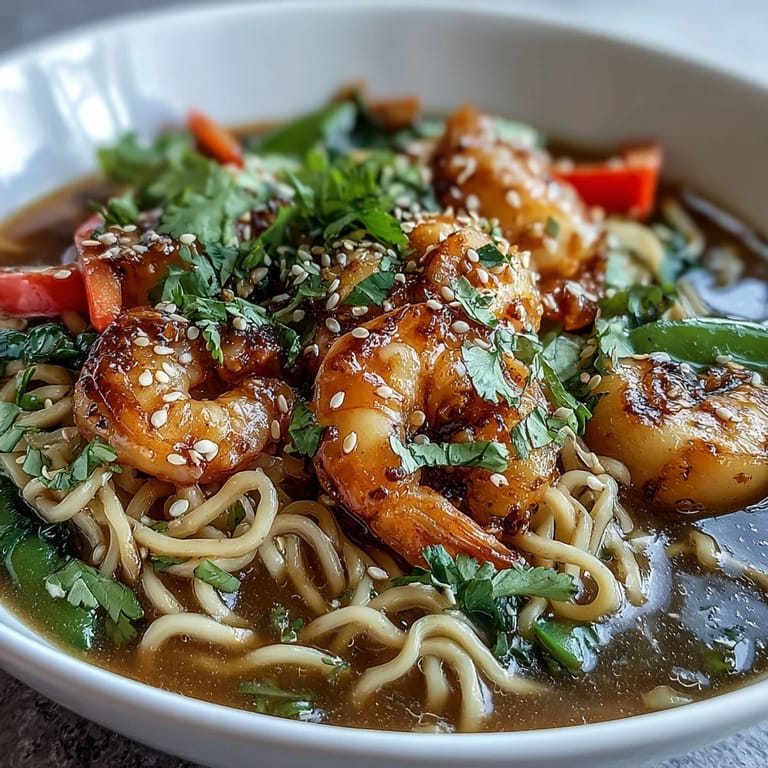
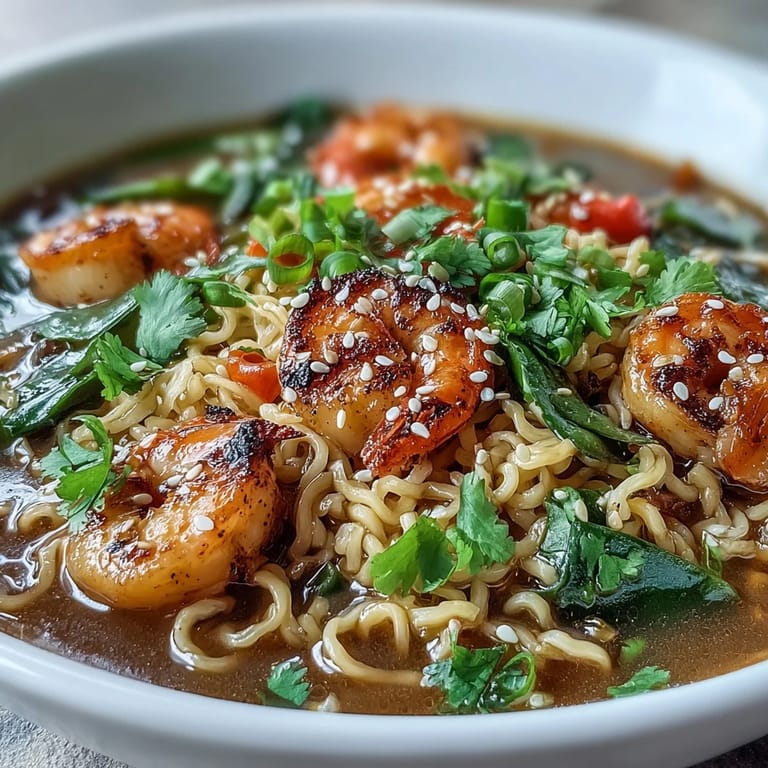
- Divide the cooked noodles among four bowls, then ladle the hot broth, seafood, and vegetables over the top. Finish with spring onions, cilantro, sesame seeds, and a generous squeeze of fresh lime.
 Pin It
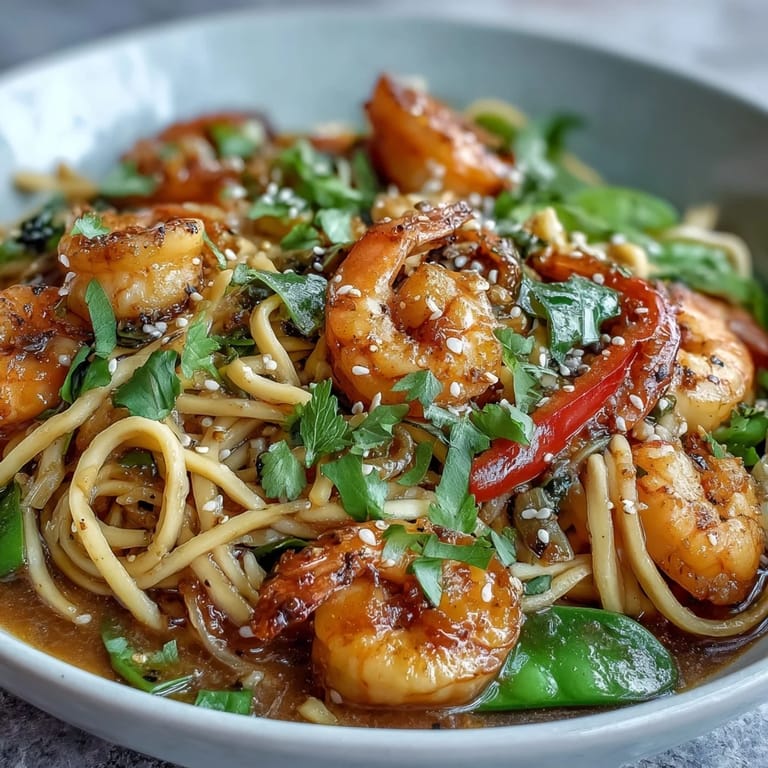
 What makes this dish special isn't any single ingredient but how they all come together in that moment when you pour the hot broth over the noodles and watch everything bloom. That first spoonful, where you get noodles, seafood, vegetables, and broth all at once, tastes like effort well spent.
Why This Bowl Became My Go-To
I love this recipe because it forces you to pay attention without demanding that you be a trained chef. The timing is forgiving enough for someone learning, but the results feel impressive enough to serve to people whose opinions actually matter to you. After making it a few times, you develop an instinct for when things are ready, and that feels like real cooking.
Adapting It to What You Have
The beauty of a noodle bowl is its flexibility, which means you can build it around what's actually in your kitchen rather than making a special trip to the store. I've made it with halibut instead of scallops, added mushrooms and baby corn, swapped the bok choy for broccoli, and it never feels wrong. The broth is forgiving enough to carry whatever vegetables and proteins you're working with, as long as you remember to keep the seasoning balanced.
The Ritual of Assembly
There's something almost meditative about standing over four bowls, dividing the noodles evenly and carefully ladling the broth so nothing splashes. My kids have started asking to help with the garnishes, which means now they actually eat vegetables without complaining because they feel ownership over the final product. It's become less about feeding them and more about the three of us working together in the kitchen, even if I'm the one really in charge.
- Having all your garnishes prepped and ready before the broth is done prevents last-minute scrambling and lets you stay calm while serving.
- Warming your bowls in the oven or with hot water beforehand keeps the noodles and broth at a better temperature longer.
- Making extra broth and freezing it means you can throw this together on nights when you're too tired to do much more than boil water.
 Pin It
 This noodle bowl sits at that perfect intersection of nourishing, delicious, and actually doable on a regular weeknight. Make it once and you'll find yourself craving it again within a week.
Recipe FAQs
- → Can I make this noodle bowl vegetarian?
Yes, simply omit the shrimp and scallops and substitute with firm tofu cubes. Use vegetable broth instead of chicken broth to keep it entirely plant-based while maintaining the savory depth.
- → What type of noodles work best?
Rice noodles and soba noodles both excel in this dish. Rice noodles remain gluten-free and absorb the broth beautifully, while soba adds a nutty buckwheat flavor. Udon or egg noodles are delicious alternatives for added texture.
- → How do I prevent overcooking the seafood?
Add shrimp and scallops during the final 2-3 minutes of simmering. They're done when opaque and just cooked through. Remove from heat immediately to keep them tender—overcooking makes seafood rubbery and tough.
- → Can I prepare components in advance?
You can julienne vegetables and prepare the broth ahead of time, storing them separately in the refrigerator. Cook noodles and seafood just before serving for the best texture and flavor.
- → How can I adjust the spice level?
Start with the optional teaspoon of chili paste for gentle warmth. For more heat, add sriracha, red pepper flakes, or fresh sliced chilies. Serve with extra chili paste on the side so diners can customize their bowls.
- → What other vegetables can I add?
Shiitake mushrooms, baby corn, sliced bamboo shoots, or bean sprouts make excellent additions. Spinach or Swiss chard can replace or complement the bok choy. Adjust cooking times accordingly for tender-crisp results.