 Pin It
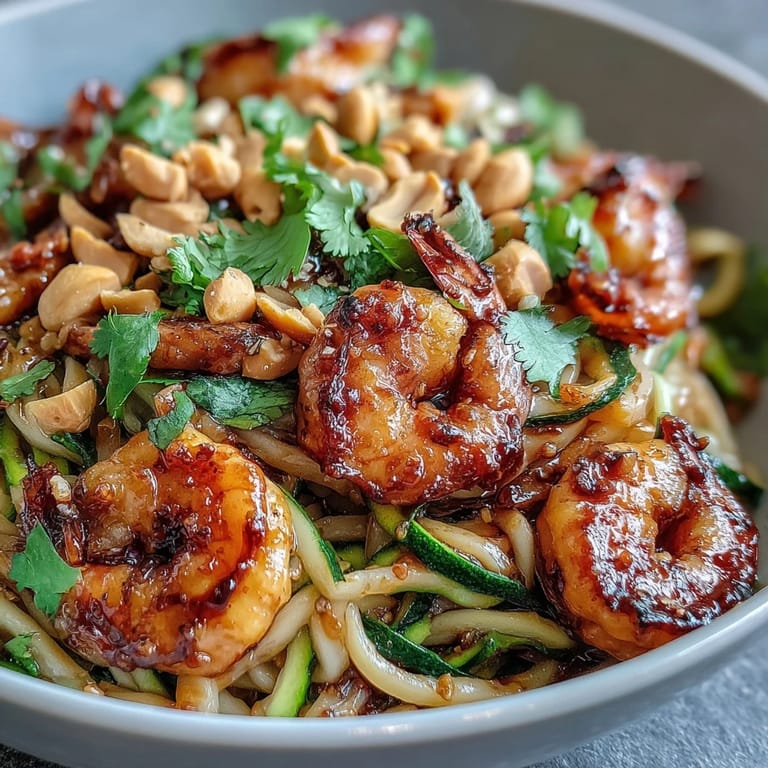
 There's something about the sizzle of shrimp hitting a hot wok that makes you feel like you're cooking something special, even on a random Tuesday night. My neighbor brought over a bottle of sesame oil one afternoon, and we ended up making this bowl together while her kids did homework at my kitchen table—the whole apartment smelled incredible within minutes. Since then, I've made it probably a hundred times, and it never feels routine because those noodles always come together differently depending on my mood and what vegetables are hanging around the crisper drawer. The magic is how quickly everything transforms from separate ingredients into something that tastes like you spent way more effort than you actually did.
I'll never forget making this for my sister after she complained about eating the same sad desk salads every single day at work. She brought containers back empty and asked for the recipe, but honestly, I think she just wanted the excuse to come over and eat it fresh from the wok. Now she makes it weekly, and apparently her coworkers have started asking what smells so good at 11:30 AM when she opens her lunch.
Ingredients
- Medium shrimp, 400 g (14 oz): Buy them already peeled and deveined if you can—it saves time and honestly, nobody needs that extra prep stress when dinner's fifteen minutes away.
- Rice noodles, 200 g (7 oz): These soften quickly, so don't walk away once they hit the water or you'll end up with mush instead of that perfect tender-chewy texture.
- Zucchini and carrot, julienned: The thin-slicing part feels fancy but takes maybe two minutes if you use the right tools—they cook just enough to soften but still have that satisfying snap.
- Garlic, 2 cloves minced: This is your flavor foundation, so mince it fine and get it in the hot oil before it burns, which happens faster than you'd think.
- Green onions, 3 sliced: Keep some raw for garnish because the cooked version loses that bright bite that makes the whole bowl feel fresh.
- Soy sauce, 3 tbsp: Use tamari or gluten-free soy if that matters for your table—it honestly tastes the same and nobody will know the difference.
- Lime juice, 2 tbsp: Fresh squeezed makes a real difference here; bottled tastes flat and weirdly plastic-y in comparison.
- Sesame oil, 1 tbsp: A little goes a long way, and this is where that nutty, toasted flavor comes from that makes people ask what your secret ingredient is.
- Honey or maple syrup, 1 tbsp: This balances the salt and acid so nothing tastes aggressive—it's the reason the sauce feels complete instead of one-dimensional.
- Chili garlic sauce, 1 tsp (optional): Add it if you like heat, skip it if you're cooking for people who think sriracha is dangerous.
- Roasted peanuts, 50 g (1/3 cup): Chop them roughly so you get varied textures—some chunky pieces, some smaller bits that distribute throughout each bite.
- Fresh cilantro, 1/3 cup: It's the final bright note that ties everything together, so don't skip it or substitute it with parsley unless you actually hate cilantro.
- Lime wedges for serving: People squeeze these on and suddenly everything tastes more vibrant and alive than it did thirty seconds before.
Tired of Takeout? 🥡
Get 10 meals you can make faster than delivery arrives. Seriously.
One email. No spam. Unsubscribe anytime.
Instructions
- Start the noodles first:
- Get water boiling while you prep everything else—rice noodles cook in maybe five minutes, so timing matters. Drain them, rinse with cold water so they don't stick together, and set them aside where you can reach them.
- Make the sauce while nothing's cooking:
- Whisk soy sauce, lime juice, sesame oil, honey, and chili garlic sauce together in a small bowl and let it sit—this gives the flavors a moment to get friendly with each other.
- Get your wok or skillet seriously hot:
- Medium-high heat, add a splash of oil, and wait until it shimmers a little before you add the garlic. This takes maybe thirty seconds and makes all the difference in flavor.
- Cook the shrimp until they're pink:
- Once the garlic smells incredible, add your shrimp and let them sit for a full minute before flipping—patience here means they actually get a little caramelized instead of just boiled. Two to three minutes total, and they're done.
- Make room for the vegetables:
- Push the shrimp to the side, add your zucchini and carrot to the empty space, and let them stir-fry for about three minutes until they soften but still have a tiny bit of resistance when you bite them.
- Bring it all together in the pan:
- Add your cooked noodles, green onions, and that sauce you made earlier, then toss everything until it's coated and warm. This is the moment it all becomes a real dish instead of separate components.
- Add the shrimp back in:
- Return the shrimp to the pan gently and mix until everything's heated through and evenly coated with that glossy sauce. Don't overmix or you'll break apart the shrimp.
- Serve it up while it's still warm:
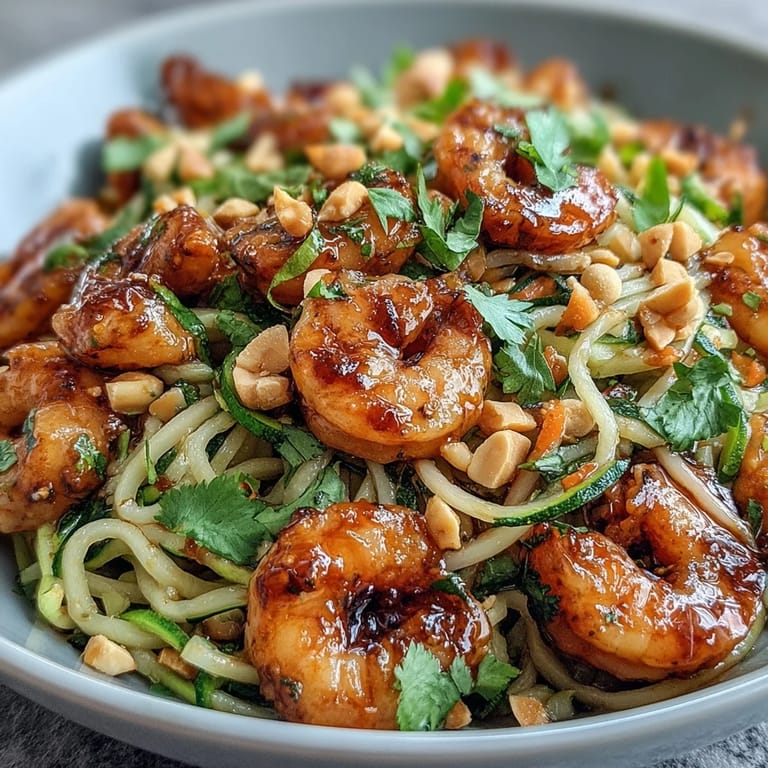
- Divide among four bowls, scatter peanuts and cilantro on top, and add lime wedges on the side so people can squeeze them over whenever they want.
 Pin It
 This bowl became my comfort food during a weird month when nothing felt quite right, and somehow making it every few days became this small ritual that made things feel manageable again. There's something about standing over a hot wok, smelling all those good flavors combine, that reminds you that some things actually work out exactly how you planned them.
Why This Sauce Changes Everything
The real trick is that sauce balance—too much soy and it tastes one-note and salty, too much lime and it tastes like you're eating a margarita, but when you get it right, it's this perfect harmony where your brain can't quite identify what you're tasting, just that it's incredibly good. I learned this by accident after throwing in way too much soy one night and having to doctor it with extra lime and honey, which somehow worked out but taught me that balance matters more than the individual ingredients.
The Vegetable Flexibility Thing
One of the reasons this recipe lives in regular rotation at my house is because you're not married to zucchini and carrot—if you have snap peas, use them; if you have red bell pepper, slice it and throw it in; if you have mushrooms, they work too. The cooking time stays roughly the same, and you end up with something that tastes like you made it for yourself specifically instead of following someone else's plan.
Protein Swaps and Other Options
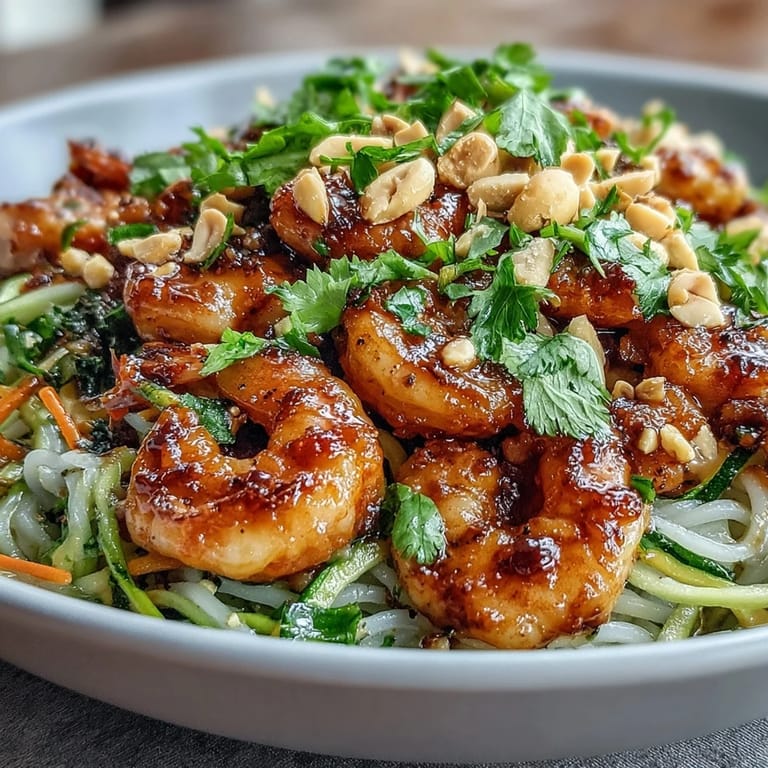
Shrimp is the original, but I've made this with chicken breast (cut into bite-sized pieces and cooked a minute longer), with pressed tofu that gets wonderfully golden in the hot pan, and even with a mix of both when I'm feeding people with different preferences. The sauce loves whatever protein you choose, and honestly, the vegetable-to-noodle ratio matters more than which protein you pick. Here are a few thoughts based on what I've learned along the way:
- Chicken takes three to four minutes per side instead of the two to three that shrimp needs, so don't rush it or you'll have tough, dry pieces.
- Tofu should be pressed for at least thirty minutes beforehand so it actually absorbs the sauce flavor instead of just staying neutral and watery.
- Whatever protein you choose, cook it fully before adding vegetables so everything finishes at the same time and tastes intentional.
 Pin It
 This bowl is the kind of dinner that makes you feel capable and nourished at the same time, which honestly is worth more than fancy ingredients or complicated techniques. Make it whenever you need something that tastes bright and alive and comes together without drama.
Recipe FAQs
- → Can I make this dish ahead of time?
You can prepare the sauce and vegetables in advance, but it's best to cook the noodles and shrimp just before serving. Store prepped ingredients separately in the refrigerator for up to 24 hours.
- → What can I substitute for shrimp?
Tofu, chicken, or even sliced beef work well as protein alternatives. Just adjust cooking times accordingly—tofu needs less time while chicken may need a few extra minutes.
- → Is this dish spicy?
The base version is mild, but you can easily adjust the heat by adding more or less chili garlic sauce to the dressing according to your preference.
- → How do I store leftovers?
Store components separately in airtight containers in the refrigerator for up to 2 days. Reheat noodles and shrimp gently, then add fresh toppings before serving.
- → Can I use other types of noodles?
Soba noodles, udon, or even spaghetti work as substitutes. Rice noodles are traditional for their light texture, but feel free to use what you have available.