 Pin It
 My grandmother used to make pot roast every Sunday, and the smell alone could pull you out of bed before the alarm went off. I tried recreating it once in my twenties and ended up with something closer to beef jerky than dinner. It took a few burnt pans and one very honest friend to teach me that low and slow isn't just a suggestion. Now, this recipe is the one I turn to when I want the house to smell like home.
I made this for my neighbors during a snowstorm a few years back, and they still bring it up every winter. We ended up eating together by candlelight when the power went out, and somehow that made the whole thing taste even better. It is funny how a simple pot roast can turn into a memory you hold onto.
Ingredients
- Boneless beef chuck roast: This cut has enough marbling to stay juicy through the long roast, and it shreds beautifully once it is done.
- Kosher salt and black pepper: Season generously because the beef needs it, and do not be shy with the pepper.
- Carrots and parsnips: They add a natural sweetness that balances the richness of the beef, and parsnips bring an earthy depth you did not know you needed.
- Yellow onions: Cut them into wedges so they hold their shape and caramelize slowly in the broth.
- Potatoes: Use a starchy variety like Russet or Yukon Gold so they soak up the pan juices without falling apart.
- Celery and garlic: These build the aromatic base that makes your kitchen smell like something worth coming home to.
- Tomato paste: A small amount deepens the color and adds a hint of umami that ties everything together.
- Beef broth and red wine: The wine is optional, but it adds complexity and helps deglaze all those beautiful browned bits stuck to the pot.
- Worcestershire sauce: Just a couple of tablespoons bring a savory tang that makes the whole dish sing.
- Fresh thyme, rosemary, and bay leaves: These herbs infuse the broth with warmth and a subtle earthiness that dried versions just cannot match.
- Olive oil: Use it to sear the beef and build a flavorful crust before the slow roast begins.
Tired of Takeout? 🥡
Get 10 meals you can make faster than delivery arrives. Seriously.
One email. No spam. Unsubscribe anytime.
Instructions
- Prep the beef:
- Pat the roast completely dry with paper towels because moisture is the enemy of a good sear. Season every side generously with salt and pepper, pressing it in so it sticks.
- Sear the beef:
- Heat the olive oil in your Dutch oven until it shimmers, then lay the beef in gently and let it sit undisturbed for 3 to 4 minutes per side until a deep brown crust forms. This is where all the flavor starts, so do not rush it.
- Cook the vegetables:
- Toss the onions, carrots, parsnips, potatoes, and celery into the same pot and let them sizzle in the leftover fat for about 5 minutes. Stir in the garlic and tomato paste, and cook for another minute until everything smells toasty and sweet.
- Deglaze and build the broth:
- Pour in the red wine and scrape up all the stuck on bits from the bottom of the pot with a wooden spoon. Let it bubble for 2 minutes, then nestle the beef back in and add the broth, Worcestershire, thyme, rosemary, and bay leaves.
- Slow roast:
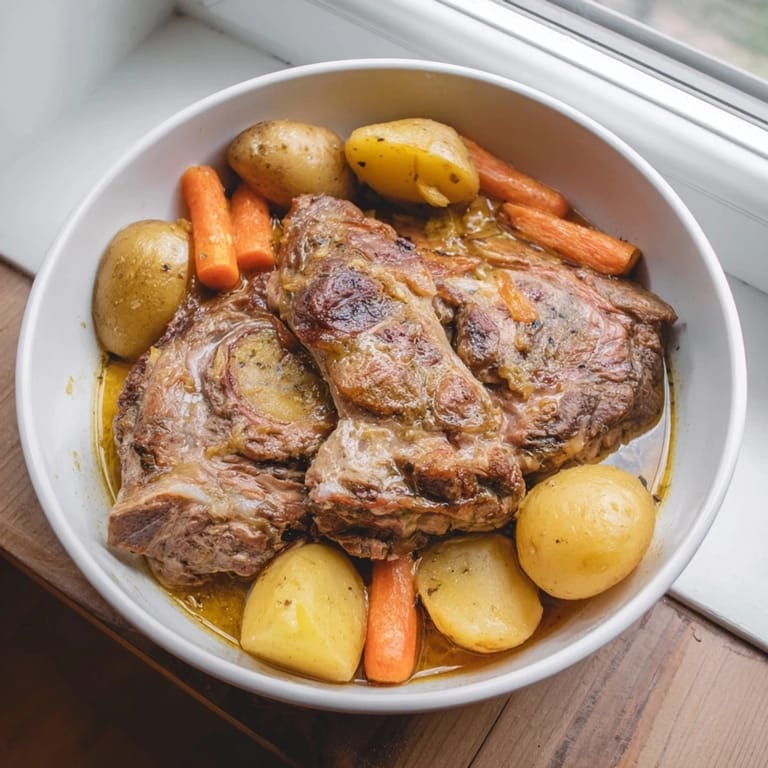
- Bring everything to a gentle simmer, cover tightly with the lid, and slide it into a 300 degree oven. Let it roast for 3 to 3 and a half hours, until the beef is fork tender and the vegetables are soft and glossy.
- Rest and serve:
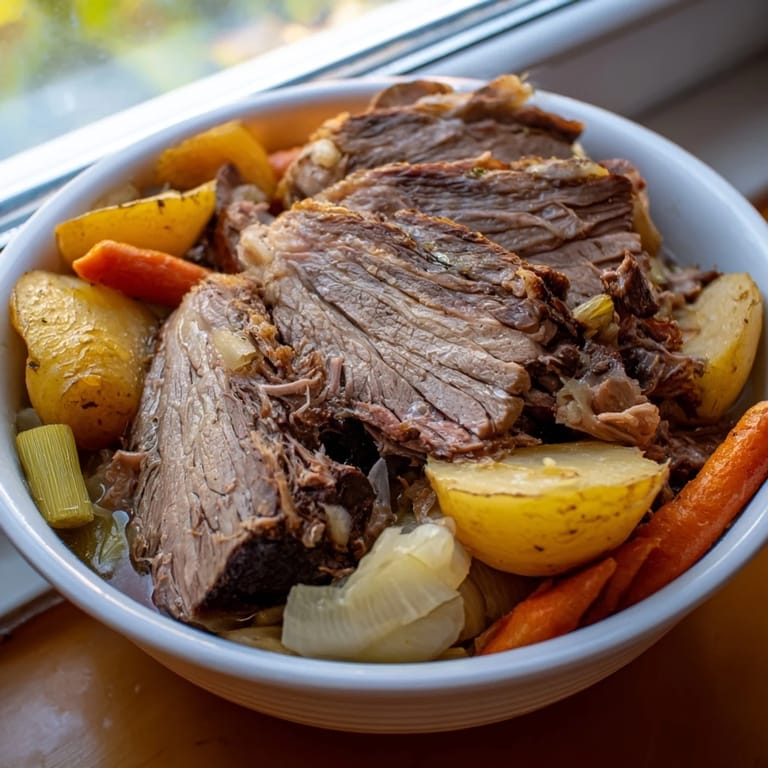
- Pull the pot from the oven, fish out the herb stems and bay leaves, and let the beef rest for 10 minutes before slicing or shredding. Serve it with the vegetables and ladle the pan juices over everything.
 Pin It
 The first time I nailed this recipe, my dad asked for seconds before he even finished his first plate. He is not usually one for compliments in the kitchen, so that moment felt like winning something. It reminded me that sometimes the best meals are not fancy, just made with enough care that people notice.
How to Get the Most Tender Beef
The secret is time and temperature, not fancy techniques. Cooking low and slow breaks down all the connective tissue in the chuck roast, turning it into something that melts on your fork. If you try to rush it at a higher heat, the meat will tighten up and turn chewy instead of tender. Patience here is everything, and your oven does most of the work while you do literally anything else.
Making the Sauce Richer
Once the beef and vegetables are done, you can pull them out and simmer the leftover juices on the stovetop until they reduce by half. If you want it thicker, whisk together a tablespoon of cornstarch with two tablespoons of cold water and stir it in while the sauce simmers. It will thicken up in a minute or two and cling to everything beautifully when you serve it.
Storage and Leftovers
This pot roast keeps in the fridge for up to four days, and honestly it tastes better on day two after all the flavors have had time to settle in together. You can shred the beef and toss it with the vegetables and juices for easy reheating, or pile it onto crusty bread for a next level sandwich. I have also chopped everything up and turned it into a quick stew by adding a little extra broth and simmering it for ten minutes.
- Store the beef and vegetables together in an airtight container with some of the cooking liquid to keep everything moist.
- Reheat gently on the stovetop or in the oven covered with foil so it does not dry out.
- Freeze portions in individual containers for up to three months, and thaw overnight in the fridge before reheating.
 Pin It
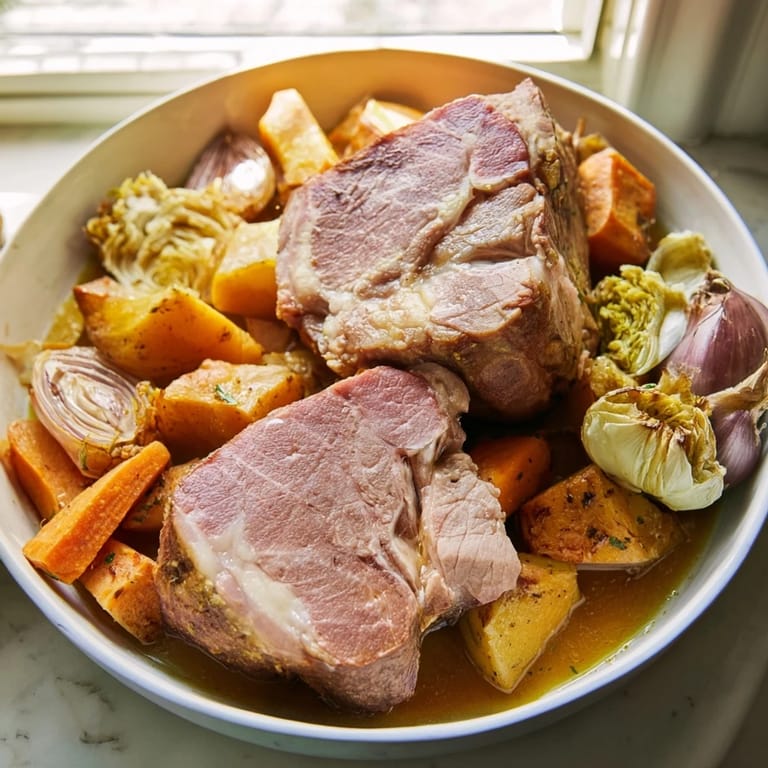
 This is the kind of meal that fills your kitchen with warmth and your table with conversation. I hope it becomes one of those recipes you make over and over, the kind that feels like home no matter where you are.
Recipe FAQs
- → How do I achieve tender beef in slow roasting?
Start by searing the beef on all sides to lock in juices, then slow roast at a low temperature for several hours until fork-tender.
- → Can I substitute parsnips with another vegetable?
Turnips make a great alternative to parsnips, offering a similar texture and mellow flavor when slow cooked.
- → Is red wine necessary for the cooking liquid?
Red wine adds depth but can be replaced with extra beef broth for a milder taste without compromising moisture.
- → How can I thicken the pan juices after cooking?
Remove the beef and vegetables, then simmer the juices on the stove until reduced or add a cornstarch slurry to reach desired consistency.
- → What herbs best complement slow-roasted beef with vegetables?
Fresh thyme, rosemary, and bay leaves provide aromatic, earthy notes that enhance the rich flavors of the meat and vegetables.