 Pin It
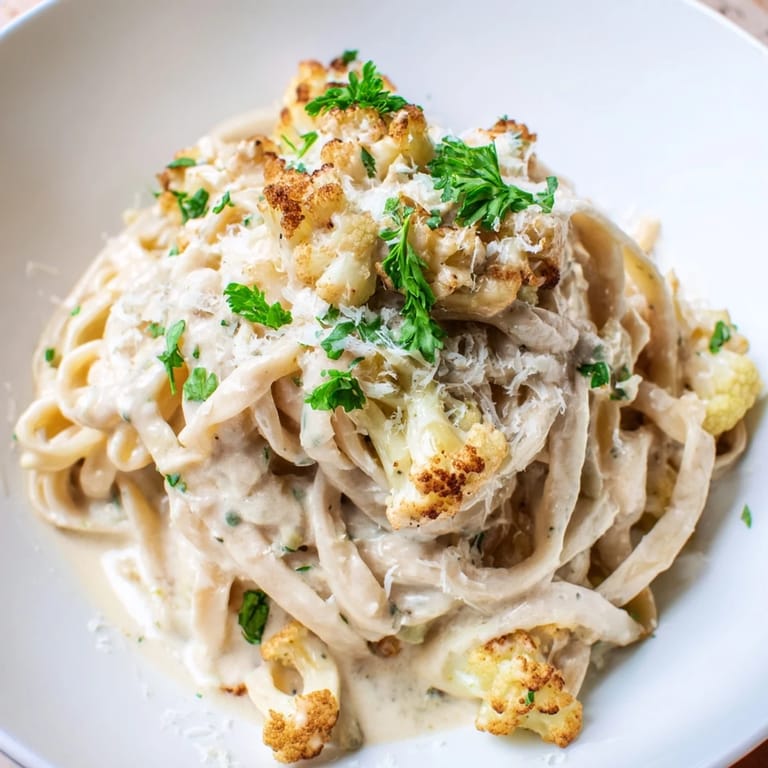
 I burned the first batch of cauliflower because I was convinced it needed forty minutes in the oven. The kitchen filled with smoke, and I stood there scraping blackened florets into the trash, wondering how something so simple could go so wrong. But the second time, I pulled them out golden and sweet, and when I tasted the sauce, I realized this creamy, lighter Alfredo was exactly what I'd been craving without knowing it. It felt like I'd stumbled onto a secret that made indulgence feel easy. Now it's the dish I make when I want comfort without the heaviness.
The first time I made this for friends, I didn't tell them it was cauliflower until after they'd finished their bowls. One of them looked at me, fork suspended in the air, and said she'd been trying to figure out what made it taste so good. When I finally admitted it, she laughed and asked for the recipe on the spot. That moment taught me that sometimes the best dishes are the ones that surprise you quietly, without announcing themselves.
Ingredients
- Cauliflower: The star here, and roasting it is non-negotiable because it transforms the vegetable from bland to sweet and nutty, which is what makes this sauce sing.
- Garlic: Roasting whole cloves mellows them into something buttery and mild, so you get flavor without the sharpness that raw garlic would bring.
- Whole milk: This creates the creamy base, and I've learned that using anything too thin makes the sauce feel watery rather than luxurious.
- Parmesan cheese: Freshly grated is best because pre-shredded varieties contain anti-caking agents that can make the sauce grainy instead of silky.
- Unsalted butter: It adds richness and helps the sauce cling to the pasta, plus you control the salt level better this way.
- Fettuccine: The wide noodles hold the sauce beautifully, but honestly, any pasta shape you love will work just fine.
- Nutmeg: Just a pinch brings warmth and a subtle depth that people notice without being able to name.
- Salt and black pepper: Essential for balancing the sweetness of the cauliflower and the richness of the cheese.
- Fresh parsley and extra Parmesan: Optional, but they add a fresh pop and extra savory notes that make the dish feel finished.
Tired of Takeout? 🥡
Get 10 meals you can make faster than delivery arrives. Seriously.
One email. No spam. Unsubscribe anytime.
Instructions
- Get the oven ready:
- Preheat your oven to 425°F and line a baking sheet with parchment paper so nothing sticks. This high heat is what gives the cauliflower those golden, caramelized edges.
- Prep the cauliflower:
- Toss the florets and garlic cloves with a tablespoon of butter, then spread them out in a single layer on the baking sheet. Give them room to breathe so they roast instead of steam.
- Roast until golden:
- Let everything roast for 25 to 30 minutes, stirring halfway through so the pieces brown evenly. You'll know it's done when the cauliflower is tender and deeply golden in spots.
- Cook the pasta:
- While the cauliflower roasts, cook your pasta in well-salted boiling water according to the package directions. Before draining, scoop out a cup of the starchy pasta water and set it aside.
- Blend the sauce:
- Add the roasted cauliflower, garlic, remaining butter, milk, Parmesan, nutmeg, salt, and pepper to a blender and blend until completely smooth. If it's too thick, add a little reserved pasta water until it reaches a creamy, pourable consistency.
- Combine and heat:
- Pour the sauce into a large skillet over medium heat and let it warm until it just starts to simmer. Toss in the drained pasta and stir until every strand is coated.
- Serve it up:
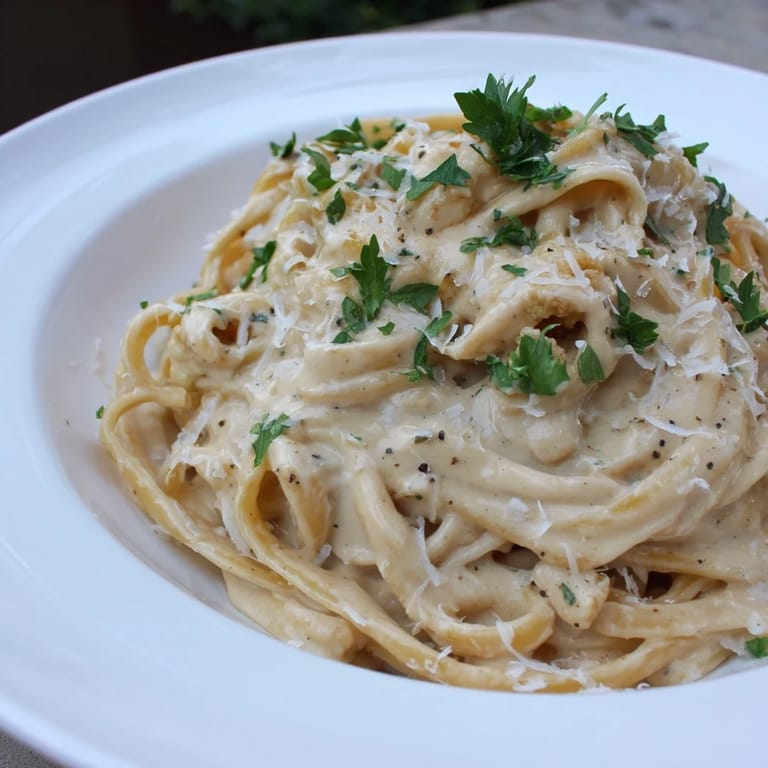
- Plate the pasta immediately and top with fresh parsley and extra Parmesan if you like. The sauce thickens as it sits, so don't wait too long.
 Pin It
 There was a cold Tuesday night when I made this alone, standing at the stove with a glass of wine and no plan except to feed myself something good. The kitchen was warm, the pasta was perfect, and I sat at the table with a bowl and a book, feeling like I'd done something kind for myself. That's when I realized this dish wasn't just about feeding other people, it was about taking care of yourself in the simplest, most satisfying way.
How to Store and Reheat
This sauce thickens considerably in the fridge, so when you reheat it, add a splash of milk or pasta water and warm it gently over low heat, stirring often. I've found that reheating it too quickly can cause the sauce to separate, so patience here pays off. Stored in an airtight container, it'll keep for up to three days, and honestly, sometimes I think it tastes even better the next day once the flavors have had time to meld.
Swaps and Variations
If you want to lighten it up even more, swap the whole milk for unsweetened almond or oat milk, though the sauce won't be quite as rich. I've also made this with nutritional yeast instead of Parmesan when cooking for vegan friends, and while it's different, it's still creamy and satisfying. You can toss in sautéed mushrooms, spinach, or even roasted cherry tomatoes to add more color and texture. For a little heat, I sometimes stir in a pinch of red pepper flakes, which cuts through the creaminess in a way that feels unexpected and bright.
Serving Suggestions
This pasta is rich enough to stand on its own, but I like to serve it with a simple arugula salad dressed with lemon and olive oil to balance the creaminess. A slice of crusty bread for soaking up any extra sauce never hurts either. If you're feeding a crowd, double the recipe and serve it family-style in a big, wide bowl so everyone can help themselves.
- Pair it with a crisp white wine like Pinot Grigio or Sauvignon Blanc to cut through the richness.
- Add grilled chicken or shrimp on top if you want to make it more filling.
- Finish each serving with a drizzle of good olive oil and a crack of fresh black pepper for a restaurant touch.
 Pin It
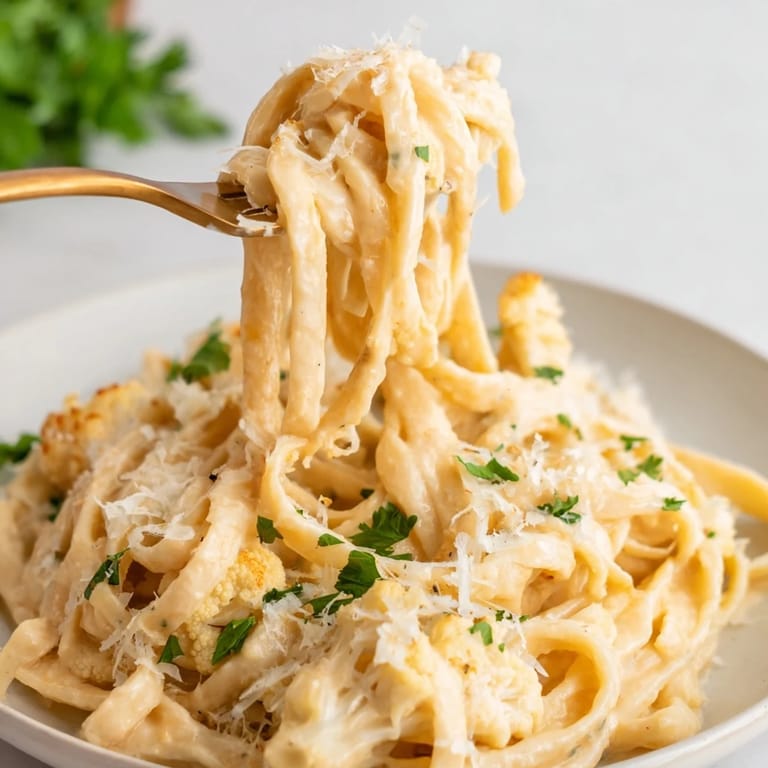
 This dish has become my go-to when I want something comforting that doesn't feel heavy, and I hope it finds a spot in your weekly rotation too. There's something deeply satisfying about a sauce this creamy coming from a vegetable, and I think you'll be surprised how much you reach for it.
Recipe FAQs
- → Can I make this sauce ahead of time?
Yes, you can prepare the cauliflower sauce up to 2 days in advance. Store it in an airtight container in the refrigerator and reheat gently over low heat before tossing with hot pasta, adding pasta water to reach desired consistency.
- → What pasta shapes work best with this sauce?
Fettuccine is traditional, but pappardelle, rigatoni, or penne also pair wonderfully. Choose shapes with ridges or curves to help the creamy sauce cling to each piece.
- → How do I achieve the perfect sauce consistency?
Reserved pasta water is your secret ingredient. Add it gradually while blending until you reach a smooth, pourable consistency. You can always add more water, but you cannot remove it, so start with small amounts.
- → What are good flavor additions to enhance this dish?
Fresh lemon juice brightens the sauce beautifully. You can also add white wine, crispy bacon bits, sautéed mushrooms, sun-dried tomatoes, or fresh herbs like basil and thyme for extra depth.
- → Is there a dairy-free or vegan alternative?
Absolutely. Substitute whole milk with unsweetened oat or almond milk, use dairy-free butter and vegan Parmesan. The sauce will be slightly lighter but still creamy and delicious.
- → How long should I roast the cauliflower?
Roast at 425°F for 25-30 minutes until florets are golden brown with caramelized edges and tender inside. This caramelization adds depth of flavor to your finished sauce.