 Pin It
 The best discoveries happen when you're broke and craving something green. I found myself staring at a near-empty pantry last Tuesday, with basil wilting on the counter and pine nuts nowhere in the budget. Sunflower seeds caught my eye—those humble, speckled seeds I usually ignored. That accidental substitution turned into one of those rare moments when the cheap alternative actually tastes better than the fancy original.
My roommate walked in mid-blend and asked what smelled like heaven. We ended up eating straight from the pot, standing over the stove, forks in hand, too impatient to bother with plates. That's the kind of dinner this is—unpretentious, incredibly satisfying, and perfect for those nights when you need something that feels like a hug in pasta form.
Ingredients
- 1 cup unsalted sunflower seeds: Toasting these first is non-negotiable—that raw, grassy taste disappears completely and transforms into something nutty and golden.
- 2 cups fresh basil leaves: Don't be afraid to pack them down tight, and resist the urge to use dried basil here because fresh is what makes this sing.
- 2 cloves garlic: Fresh garlic gives it that bright kick, but if you're sensitive to raw garlic, give the cloves a quick 30-second toast with the seeds.
- 1/2 cup grated Parmesan cheese: The saltiness here is crucial—nutritional yeast works for vegans but the umami profile changes slightly.
- 1/2 cup extra virgin olive oil: This creates the silky base, and good olive oil matters since it's one of the main flavors.
- 1/4 cup water (plus more as needed): The secret to getting that restaurant-style creaminess without using a cup of expensive oil.
- 2 tablespoons lemon juice: Cuts through the richness and brightens everything—fresh lemon is worth the squeeze.
- 1/4 teaspoon salt and black pepper: Start here but trust your tastebuds, because sunflower seeds vary in saltiness.
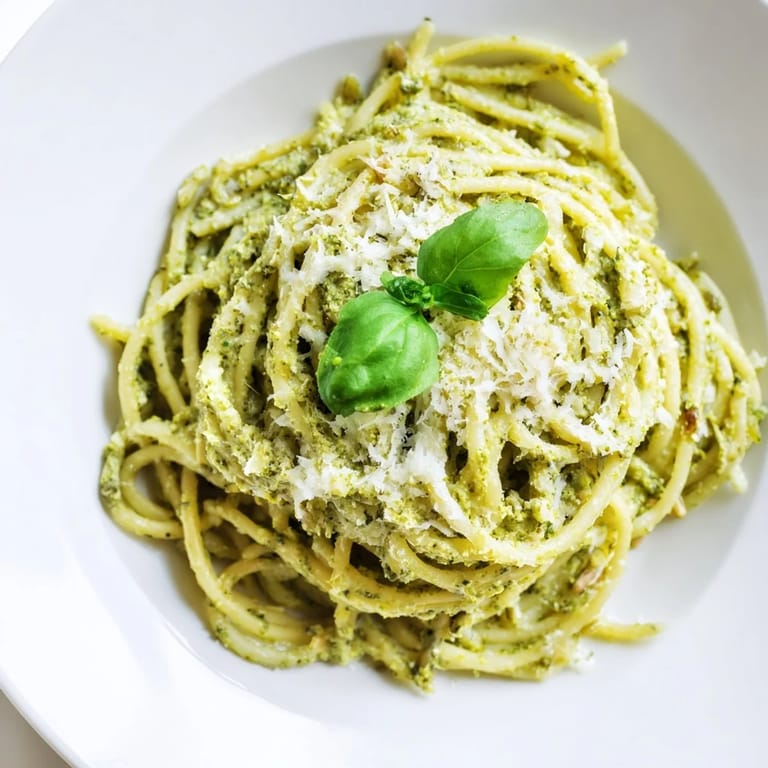
- 400 g (14 oz) dried pasta: Short pasta like fusilli catches the pesto beautifully, but spaghetti works if you want something more traditional.
- Salt for pasta water: Make your cooking water taste like the ocean—it's your only chance to season the pasta itself.
- 1/2 cup heavy cream: This is what elevates it from good to extraordinary, though coconut cream creates an equally dreamy vegan version.
Tired of Takeout? 🥡
Get 10 meals you can make faster than delivery arrives. Seriously.
One email. No spam. Unsubscribe anytime.
Instructions
- Get Your Pasta Water Going:
- Bring a large pot of generously salted water to a rolling boil while you prep everything else—this multitasking trick cuts your total time in half.
- Toast Those Seeds Until Fragrant:
- Dump sunflower seeds into a dry skillet over medium heat, stirring constantly for 3-4 minutes until they turn golden and fill your kitchen with an incredible nutty aroma.
- Blend Your Pesto Base:
- Combine cooled seeds, basil, garlic, Parmesan, olive oil, lemon juice, salt, and pepper in your food processor, pulsing until a coarse paste forms and scraping down the sides to catch every leaf.
- Cream It Up:
- Add water and blend until completely smooth—if it's still thick or the motor is struggling, drizzle in more water one tablespoon at a time until it turns silky.
- Cook Pasta to Perfection:
- Drop pasta into boiling water and cook until al dente, then reserve 1/2 cup of that starchy pasta water before draining—it's liquid gold for sauces.
- Bringing It All Together:
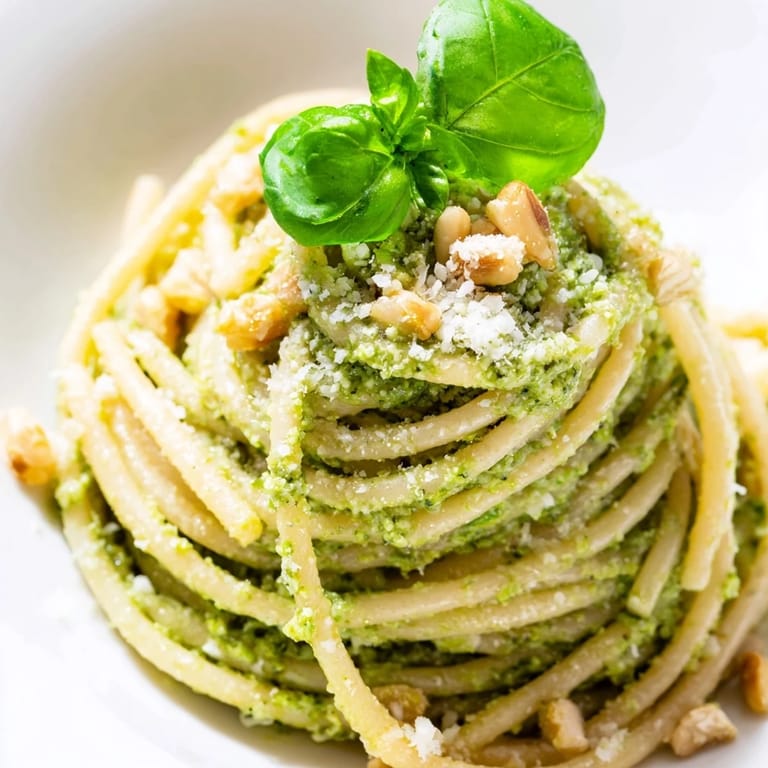
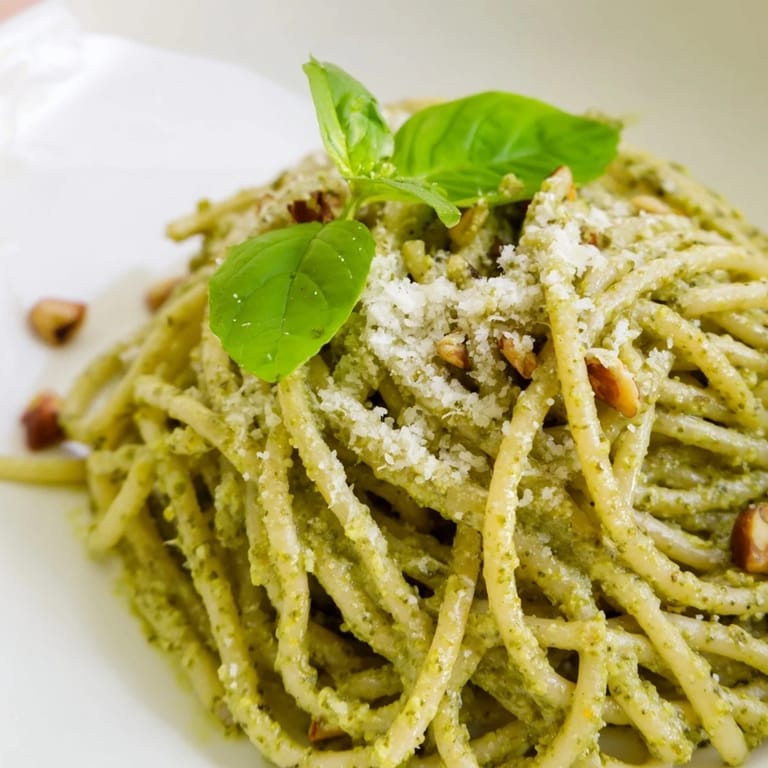
- Return drained pasta to the pot over low heat, pour in pesto and cream, toss vigorously to coat every strand, then add pasta water as needed until glossy.
- Final Seasoning Check:
- Taste and adjust with more salt, pepper, or a squeeze of lemon—this is when it transforms from good to unforgettable.
 Pin It
 This became my go-to for impromptu dinner parties after I served it to friends who swore they hated pesto. They scraped their bowls clean and asked for the recipe before dessert even happened. Sometimes the simplest ingredients create the most lasting memories.
Making It Your Own
The beauty of this recipe lies in its adaptability. I've added baby spinach when basil was scarce, tossed in roasted cherry tomatoes for bursts of sweetness, and mixed in frozen peas for color and protein. Once you master the base technique, you'll start seeing possibilities everywhere.
Storage Wisdom
The pesto keeps beautifully in the fridge for up to a week, though I've never managed to make it last that long. If you're meal prepping, store the pesto separately from the pasta and toss them together just before serving—the texture difference is dramatic. Frozen pesto works surprisingly well in soups and stews during those months when fresh basil costs a small fortune.
Perfect Pairings
A crisp white wine cuts through the creaminess perfectly. Sauvignon Blanc has been my reliable choice, but any dry white with good acidity works beautifully. For a complete meal, serve alongside a simple green salad with an acidic vinaigrette—the fresh contrast balances the rich pasta.
- Crusty bread is absolutely mandatory for scraping every last drop from your bowl.
- A light dessert like sorbet cleanses the palate after such a rich main.
- Cook the pasta one minute less than the package directs for better texture.
 Pin It
 This recipe started as a budget compromise and ended up as a staple. Sometimes the best things come from having almost nothing and making something incredible anyway.
Recipe FAQs
- → Can I make this ahead of time?
Yes, you can prepare the pesto up to 2 days in advance and store it in an airtight container in the refrigerator. Cook the pasta fresh when ready to serve, then combine with the pesto and cream just before eating for the best texture and flavor.
- → What can I substitute for sunflower seeds?
Pine nuts are the traditional choice, though walnuts, almonds, or pumpkin seeds work wonderfully. Toast them the same way to develop their full flavor before blending into your pesto.
- → How do I make this vegan?
Replace the Parmesan with nutritional yeast for a savory, umami-rich flavor and use plant-based heavy cream. The sunflower seeds naturally create a creamy base without dairy products.
- → Why does my pesto seem too thick?
Add reserved pasta water a tablespoon at a time until you reach your desired consistency. You can also thin it with a bit more olive oil or lemon juice for brightness.
- → What pasta shapes work best with this pesto?
Spaghetti, penne, and fusilli all pair beautifully with this sauce. Choose a shape you enjoy, as the creamy pesto coats most pasta varieties evenly and deliciously.