 Pin It
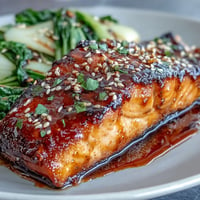
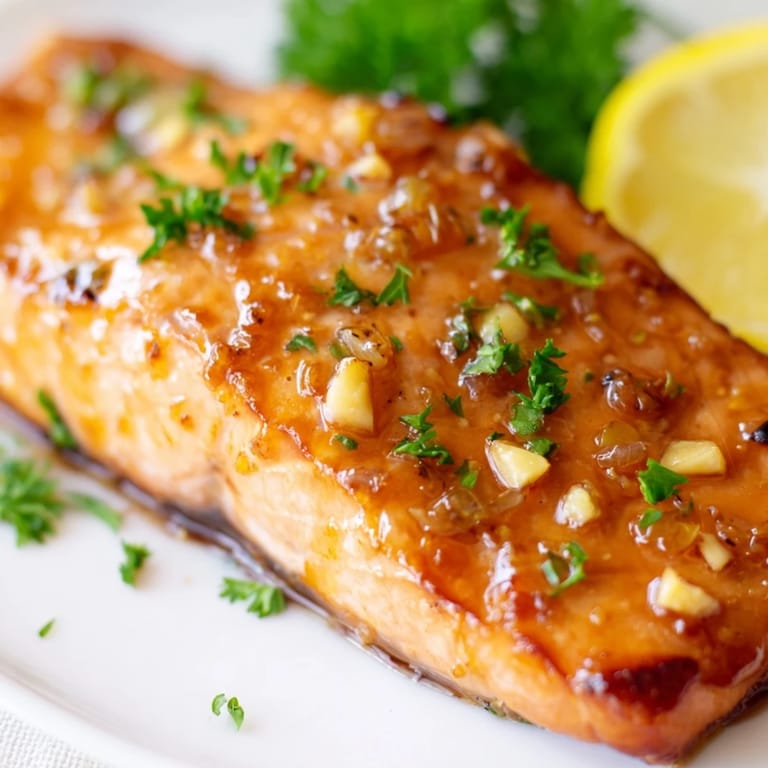
 My kitchen timer went off just as the glaze started bubbling at the edges, filling the room with garlic and caramel. I pulled open the oven door and watched the salmon glisten under the light, golden and sticky in all the right places. It was a Tuesday, nothing special, but that first bite made it feel like I'd planned something extraordinary. The honey had turned jammy, the garlic mellowed into sweetness, and the fish practically melted on my fork. I've been hooked ever since.
I made this for my sister after she said she didn't like fish. She took one cautious bite, then another, then scraped her plate clean with a piece of bread. Now she requests it every time she visits, and I pretend it's a hassle even though it's the easiest thing I make. Watching someone change their mind about salmon because of a little honey and garlic never gets old.
Ingredients
- Salmon fillets (about 170 g / 6 oz each), skin-on or skinless: I prefer skin-on because it crisps up beautifully and protects the flesh, but skinless works just as well if you like things clean and simple.
- Salt and freshly ground black pepper: Just a light seasoning here since the glaze brings plenty of flavor on its own.
- Honey: This is what turns into that sticky, caramelized coating, so don't skip it or go too light.
- Unsalted butter, melted: Adds richness and helps the glaze cling to every inch of the fish.
- Garlic, minced: Fresh is essential, it mellows and sweetens as it roasts instead of turning harsh.
- Soy sauce: Brings a savory depth that balances the sweetness, use gluten-free if needed and it works perfectly.
- Fresh lemon juice: Cuts through the richness and keeps everything bright and alive.
- Dijon mustard (optional): I started adding this after a happy accident and now I can't imagine the glaze without that subtle tang.
- Fresh parsley, chopped: A handful of green at the end makes it look finished and adds a fresh bite.
- Lemon wedges: For squeezing over the top right before you eat, because citrus and salmon are meant to be together.
Tired of Takeout? 🥡
Get 10 meals you can make faster than delivery arrives. Seriously.
One email. No spam. Unsubscribe anytime.
Instructions
- Prep the oven and tray:
- Preheat your oven to 200°C (400°F) and line a baking tray with parchment paper or give it a light grease. This keeps cleanup easy and prevents sticking.
- Season the salmon:
- Pat the fillets dry with a paper towel and arrange them on the tray, then season both sides lightly with salt and pepper. Dry fish gets a better sear and the glaze sticks beautifully.
- Mix the glaze:
- In a small bowl, whisk together honey, melted butter, minced garlic, soy sauce, lemon juice, and Dijon mustard if you're using it. The mixture should be smooth and glossy.
- Brush it on:
- Use a pastry brush to coat the top and sides of each fillet generously with the glaze. Don't be shy, this is where all the flavor lives.
- Roast until tender:
- Slide the tray into the oven and roast for 12 to 15 minutes, until the salmon flakes easily with a fork and the glaze has thickened. Keep an eye on it toward the end so it doesn't dry out.
- Optional caramelization:
- If you want extra golden edges, switch to broil for the final 1 to 2 minutes. Watch it closely because the glaze can go from perfect to burnt in seconds.
- Finish and serve:
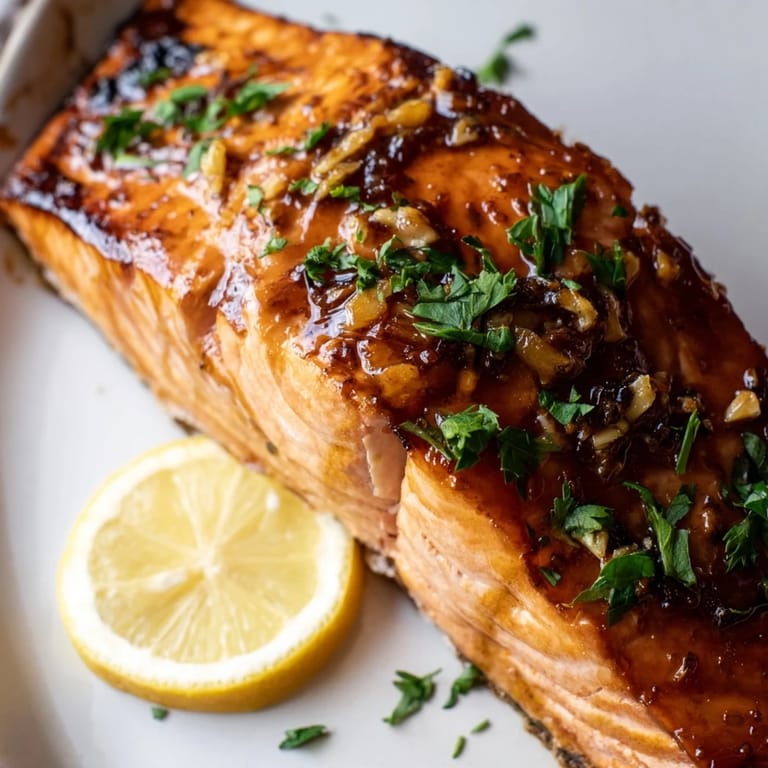
- Pull the tray out, spoon any pan juices over the fillets, and sprinkle with fresh parsley. Serve hot with lemon wedges on the side for squeezing.
 Pin It
 The first time I served this at a dinner party, someone asked for the recipe before they'd even finished their plate. I scribbled it on the back of a napkin while we were still eating, and now it's the dish I'm known for. It's funny how something so simple can become your signature without you ever planning it.
Choosing Your Salmon
I used to buy whatever was on sale until I realized that fresher fillets hold their shape better and don't release as much water during roasting. Look for bright color, firm flesh, and a clean ocean smell, not anything fishy or strong. If you can, ask the counter for center-cut pieces since they cook more evenly. Frozen works too, just thaw it in the fridge overnight and pat it extra dry before you start.
Glaze Adjustments
I've swapped maple syrup for honey when I ran out and it gave the glaze a deeper, almost smoky sweetness. A pinch of red pepper flakes turns it into something with a gentle kick, and a splash of rice vinegar in place of some lemon juice makes it tangier. Play around with the balance until it tastes right to you, the base is forgiving and loves a little improvisation.
Serving Suggestions
This salmon shines over a pile of steamed jasmine rice that soaks up every drop of glaze, or alongside roasted asparagus and baby potatoes for something more substantial. I've also flaked leftovers into a salad with mixed greens, avocado, and a drizzle of the pan juices as dressing. It's one of those mains that works just as well on a busy weeknight as it does for a date night at home.
- Double the glaze and toss it with roasted broccoli or green beans for a matching side.
- Serve with crusty bread to mop up every last bit of sauce on the plate.
- Pair with a crisp white wine or sparkling water with lemon for a light, refreshing finish.
 Pin It
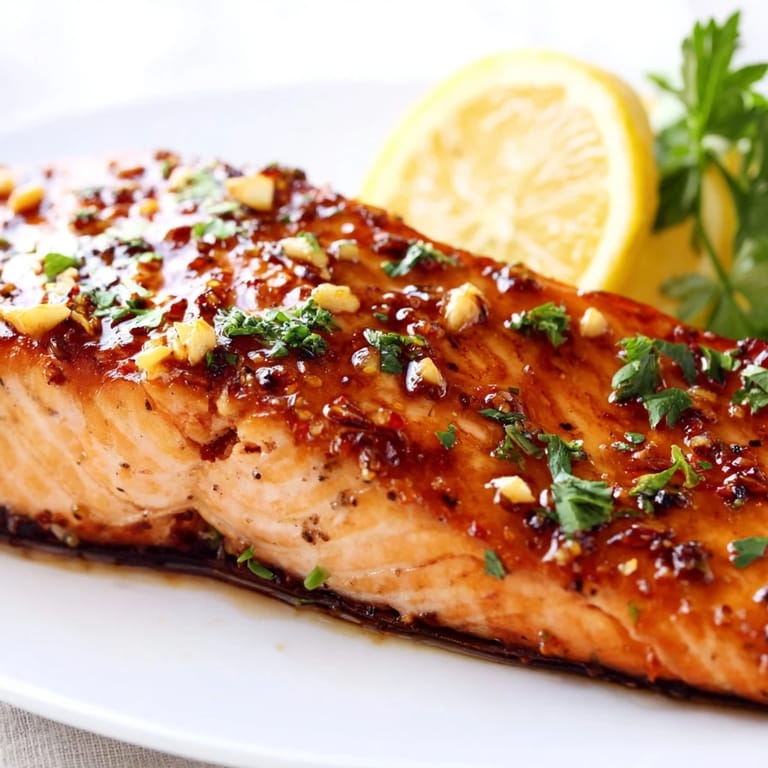
 There's something deeply satisfying about pulling a tray of golden, sticky salmon out of the oven and knowing dinner is ready in under half an hour. I hope this becomes your go-to too.
Recipe FAQs
- → How do I know when the salmon is cooked through?
The salmon is done when it flakes easily with a fork and reaches an internal temperature of 63°C (145°F). The flesh should be opaque and no longer translucent in the center.
- → Can I prepare the glaze ahead of time?
Yes, you can whisk the glaze ingredients together up to 2 hours before cooking. Store in an airtight container at room temperature. Stir well before brushing onto the salmon.
- → What if I don't have Dijon mustard?
Dijon mustard adds depth but is optional. If omitted, you can add a pinch of ground ginger or increase the lemon juice by half a teaspoon for extra flavor complexity.
- → How do I prevent the glaze from burning during broiling?
Watch carefully during the final 1-2 minutes under the broiler. Position the tray on a higher rack to increase distance from heat, and remove immediately when the edges begin to caramelize.
- → Is this suitable for gluten-free diets?
Yes, when using gluten-free soy sauce. Always check all ingredient labels for hidden gluten, especially condiments like soy sauce and Dijon mustard.
- → What vegetables pair well with this dish?
Roasted asparagus, broccoli, or zucchini complement the honey garlic glaze beautifully. Alternatively, serve with steamed rice or a fresh green salad to balance the richness.