 Pin It
 The first time I made homemade mac and cheese, I stood over the stove stirring that béchamel sauce like my life depended on it. Something magical happened when the cheeses hit the warm cream sauce and suddenly I understood why this dish comforted generations of families. My kitchen smelled like buttery heaven and I knew boxed macaroni was officially banned from my house forever.
Last winter my neighbor came over during a snowstorm and we stood around the oven watching the breadcrumbs turn golden. She admitted she had never made mac and cheese from scratch and seemed genuinely surprised that the sauce came together so quickly. We ate it straight from the baking dish while watching fat flakes drift past the window and agreed that comfort food tastes better when shared.
Ingredients
- 350 g (12 oz) elbow macaroni: The classic shape holds cheese sauce in every curve and cooks evenly
- 3 tbsp (45 g) unsalted butter: Use real butter because the flavor forms the foundation of your sauce
- 3 tbsp (25 g) all-purpose flour: This creates the roux that thickens your creamy béchamel base
- 2 cups (480 ml) whole milk, warmed: Room temperature or slightly warm milk prevents lumps from forming
- 1 cup (240 ml) heavy cream: The secret ingredient that makes the sauce velvety smooth
- 200 g (2 cups) sharp cheddar cheese, grated: Buy blocks and grate it yourself for better melting
- 75 g (¾ cup) Gruyère or Swiss cheese, grated: Adds nutty depth that sharp cheddar alone cannot provide
- 50 g (½ cup) Parmesan cheese, finely grated: Salty and umami rich, it rounds out the cheese blend
- 1 tsp Dijon mustard: You cannot taste it but it makes the cheese flavor pop
- ½ tsp garlic powder: Provides subtle background warmth without overpowering the cheese
- ½ tsp onion powder: Balances the sharpness of the cheddar beautifully
- ½ tsp salt: Adjust based on how salty your cheeses are
- ¼ tsp freshly ground black pepper: Freshly ground makes a noticeable difference
- Pinch of cayenne pepper: Just enough warmth to wake up your palate without actual heat
- ½ cup (30 g) panko breadcrumbs: Creates that irresistible crunchy topping on the baked version
- 2 tbsp (30 g) unsalted butter, melted: Tossing panko with butter prevents burning and maximizes crispness
- 2 tbsp Parmesan cheese, grated: Mixed into the topping for extra savory flavor
Tired of Takeout? 🥡
Get 10 meals you can make faster than delivery arrives. Seriously.
One email. No spam. Unsubscribe anytime.
Instructions
- Preheat your oven:
- Set it to 200°C (400°F) if you plan to bake the mac and cheese, and grease a medium baking dish
- Cook the pasta:
- Boil macaroni in salted water until just shy of al dente, about one to two minutes less than the package suggests, then drain
- Make the roux:
- Melt butter in a large saucepan over medium heat, whisk in flour, and cook for one to two minutes until lightly golden but not brown
- Create the béchamel:
- Slowly whisk in warm milk and cream until smooth, then bring to a gentle simmer while stirring constantly until thickened
- Season the sauce:
- Reduce heat to low and stir in Dijon mustard, garlic powder, onion powder, salt, pepper, and cayenne
- Add the cheeses:
- Gradually stir in cheddar, Gruyère, and Parmesan in batches until melted and completely smooth
- Combine everything:
- Fold the cooked macaroni into the cheese sauce until every piece is evenly coated
- Choose your finish:
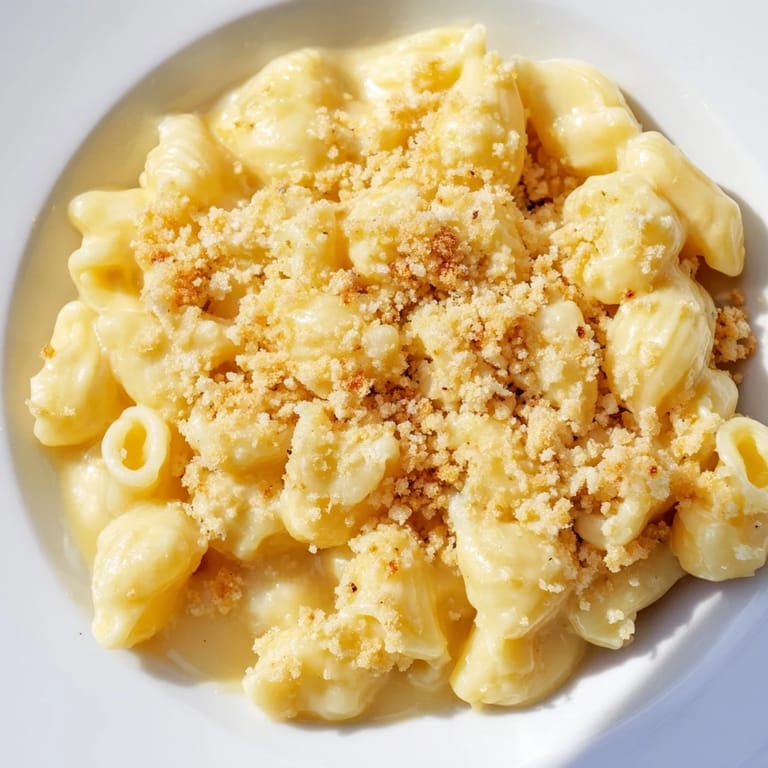
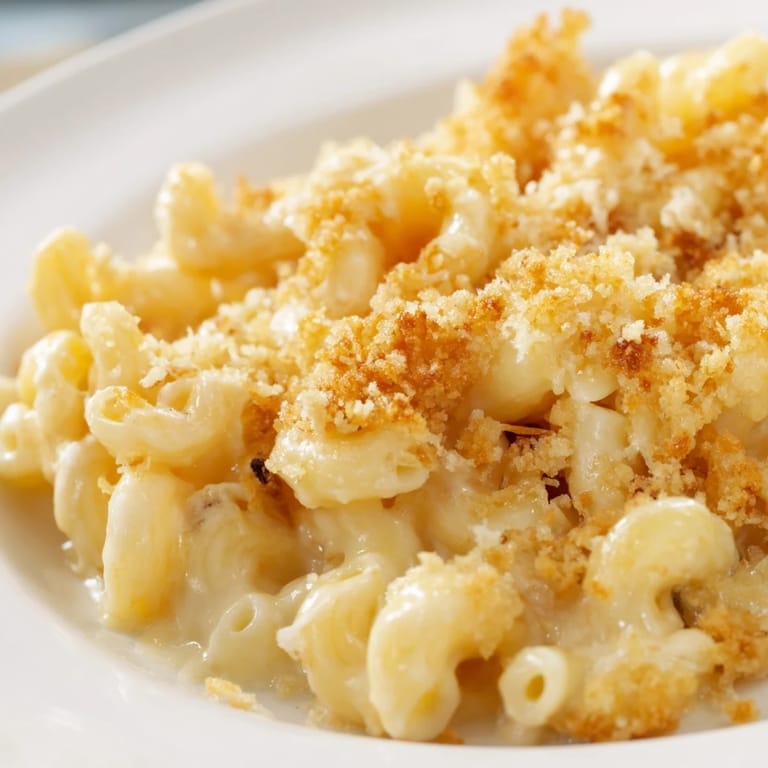
- Serve hot for stovetop version, or pour into the baking dish topped with buttered panko mixed with Parmesan and bake until golden
 Pin It
 This recipe showed up at my potluck last summer and suddenly everyone was asking for the recipe instead of just complimenting the food. I watched three different people take photos of the serving spoon mid scoop because the cheese pull was just that photogenic. Now it is the most requested dish at every gathering and honestly I do not mind making it at all.
Choosing Your Cheese Blend
The magic happens when you combine sharp cheddar for punch, Gruyère for nuttiness, and Parmesan for saltiness. I have learned the hard way that pre shredded cheese contains anti caking agents that prevent smooth melting. Buy blocks and spend five minutes grating because the texture difference is undeniable.
Stovetop Versus Baked
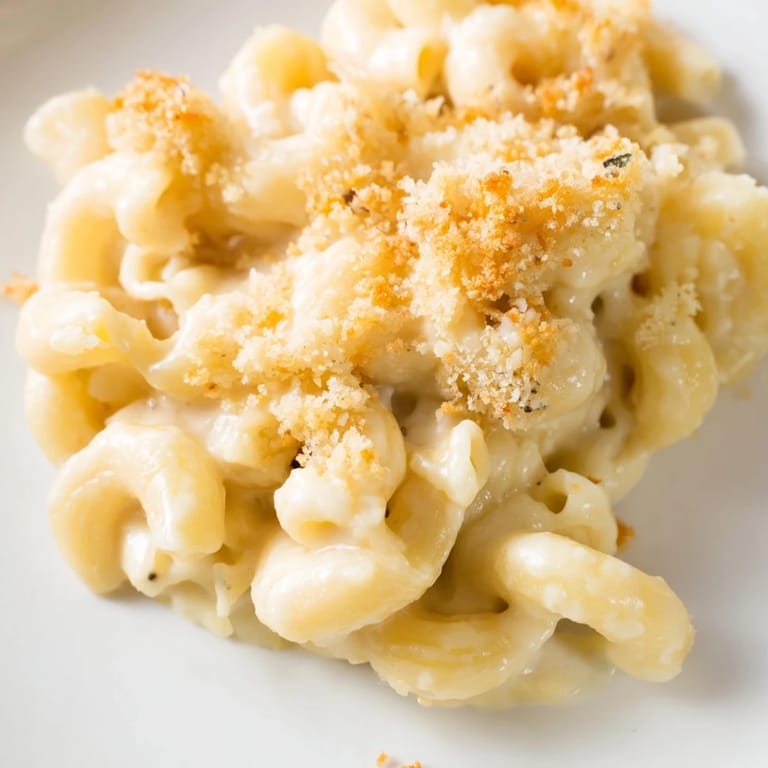
Stovetop mac and cheese is creamy and immediate, perfect for weeknight dinners when you need comfort fast. The baked version develops a crusty topping and the sauce sets slightly, making it ideal for potlucks and feeding a crowd. Both versions start the same way and either one will ruin boxed mac and cheese for you forever.
Make Ahead And Storage
You can assemble the entire dish up to a day before baking and keep it covered in the refrigerator. The sauce will thicken overnight, so add a splash of milk before baking if needed. Leftovers reheat beautifully with a tiny bit of milk to bring back the creamy texture.
- Let baked mac and cheese rest five minutes before serving
- Cover loosely with foil if the top browns too quickly
- Reheat gently with milk to restore creaminess
 Pin It
 Whether you are feeding a crowd on a cold night or just craving serious comfort, this mac and cheese delivers every single time.
Recipe FAQs
- → How do I prevent the sauce from becoming grainy?
Make sure to whisk the flour and butter thoroughly before adding warm milk gradually to avoid lumps. Cook the béchamel on low heat, stirring constantly until smooth and thickened.
- → Can I use different types of cheese?
Yes, swapping Gruyère with Monterey Jack or mozzarella creates a milder taste, while extra-mature cheddar intensifies the flavor.
- → What is the best pasta shape for this dish?
Elbow macaroni is ideal as it holds the creamy sauce well, but small pasta shapes like shells or cavatappi also work beautifully.
- → How can I add a crunchy topping when baking?
Mix panko breadcrumbs with melted butter and grated Parmesan, then sprinkle over the macaroni before baking until golden and crisp.
- → Is it possible to make a stovetop only version?
Yes, after mixing pasta with the cheese sauce, serve immediately for a rich, creamy texture without baking.