 Pin It
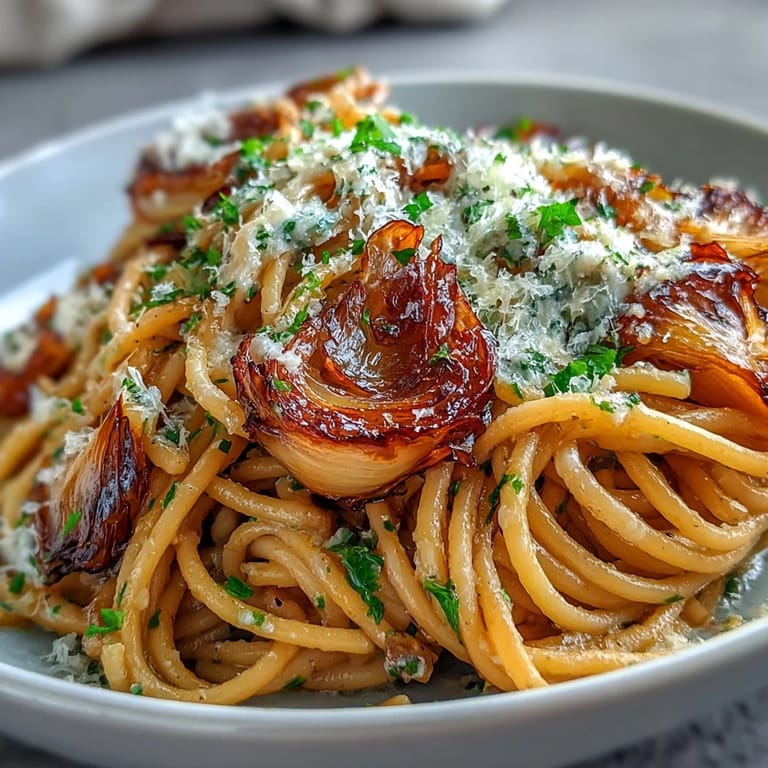
 My neighbor handed me half a cabbage over the fence one spring afternoon, insisting I try something other than coleslaw. I tossed it with pasta that night, mostly out of curiosity, and watched it turn golden and sweet in the pan. The kitchen smelled like butter and toasted garlic, and my husband wandered in asking what I was making that smelled so good. That humble cabbage became the star of a dish we now make at least twice a month.
I made this for my sister when she came over exhausted from work, skeptical that cabbage could be dinner. She twirled the pasta quietly for a moment, then looked up and asked for the recipe before she even finished her plate. Now she texts me photos every time she makes it, usually with some variation like walnuts or anchovies. Its become our unspoken comfort language.
Ingredients
- Spaghetti or linguine: Long pasta works best here because it tangles beautifully with the soft cabbage, and I always cook it just shy of done so it finishes in the pan.
- Green cabbage: Choose a firm head with tightly packed leaves, and slice it as thin as you can manage for faster caramelization and a silkier texture.
- Olive oil and unsalted butter: The combination gives you both richness and a nutty depth that olive oil alone cant quite achieve.
- Garlic cloves: Slice them thin so they soften and sweeten without burning, and add them only after the cabbage has done most of its work.
- Crushed red pepper flakes: Just a pinch wakes everything up without making it spicy, though you can leave it out if you prefer things mild.
- Freshly grated Parmesan cheese: Grate it yourself from a block, the pre-shredded kind doesnt melt into the pasta the same way and lacks that sharp, salty punch.
- Fresh parsley and lemon zest: Both are optional, but they add brightness that cuts through the butter and makes the dish feel a little more special.
Tired of Takeout? 🥡
Get 10 meals you can make faster than delivery arrives. Seriously.
One email. No spam. Unsubscribe anytime.
Instructions
- Boil the pasta:
- Bring a large pot of generously salted water to a rolling boil and cook your pasta until its al dente, with just a little bite left in the center. Before draining, scoop out a mugful of that starchy pasta water, it will help everything come together later.
- Caramelize the cabbage:
- Heat the olive oil and butter in your largest skillet over medium heat, then add the sliced cabbage and a pinch of salt. Stir it every few minutes, letting it sit long enough to turn golden and sweet, which takes about twelve to fifteen minutes.
- Add the garlic:
- Once the cabbage is soft and caramelized, toss in the sliced garlic and red pepper flakes. Let them sizzle for a minute or two until fragrant, but pull the pan off the heat if the garlic starts to brown.
- Combine pasta and cabbage:
- Add the drained pasta directly to the skillet and toss everything together with tongs, adding splashes of reserved pasta water to loosen it into a glossy, cohesive dish. The starch in the water helps the butter and cheese cling to every strand.
- Finish with cheese:
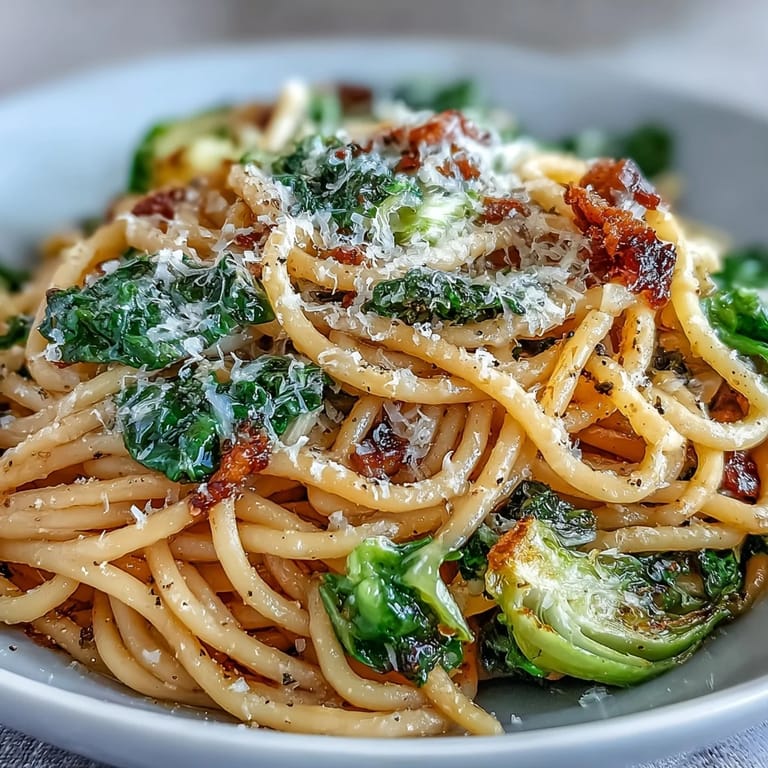
- Stir in the grated Parmesan and black pepper, tasting as you go and adding more salt if needed. Serve it hot, topped with extra cheese, parsley, and a little lemon zest if you want a bright finish.
 Pin It
 One night I made this for a small dinner party, worried it was too simple to serve to guests. Everyone went quiet as they ate, then one friend said it tasted like something her grandmother used to make in Sicily. I never told her I learned it from a neighbor with half a leftover cabbage.
How to Slice Cabbage Quickly
I used to struggle with cabbage until I learned to cut it into quarters first, then slice each wedge crosswise into thin ribbons. It speeds up the process and gives you uniform pieces that cook evenly. A sharp knife makes all the difference.
What to Do With Leftovers
This reheats surprisingly well if you add a splash of water or broth to the pan and warm it gently over low heat. I have also eaten it cold, straight from the fridge, and it still tastes good in a completely different way. Sometimes I crack an egg over the top and call it breakfast.
Ways to Change It Up
Once you get comfortable with the base recipe, it becomes a template for whatever you have on hand. I have added white beans for protein, tossed in kale along with the cabbage, and stirred in a spoonful of miso paste for extra umami. My husband likes it with crispy bacon crumbled on top.
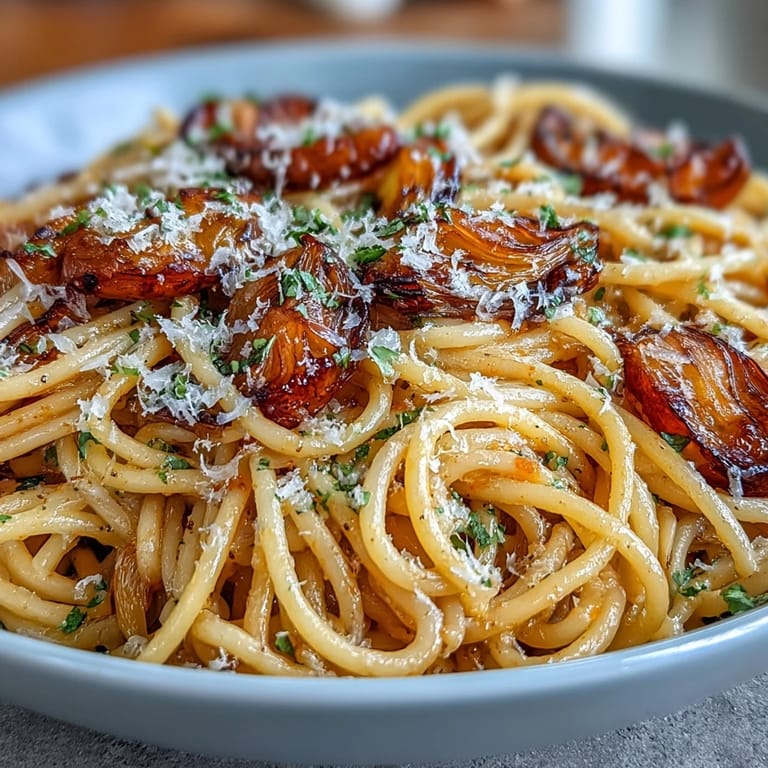
- Toast some breadcrumbs in butter and sprinkle them over the finished dish for crunch.
- Swap the Parmesan for Pecorino Romano if you want a sharper, saltier flavor.
- Add a handful of toasted walnuts or pine nuts for richness and texture.
 Pin It
 This is the kind of dish that reminds me why I love cooking, it asks for very little and gives back so much. I hope it becomes one of those recipes you turn to without thinking, the way I do now.
Recipe FAQs
- → Can I use a different type of pasta?
Yes, any long pasta like fettuccine, pappardelle, or even short pasta like penne works well. Adjust cooking times according to the pasta shape you choose.
- → How do I know when the cabbage is properly caramelized?
The cabbage should be golden brown with tender edges and reduced in volume by about half. This takes 12-15 minutes over medium heat with occasional stirring.
- → Can I make this dish ahead of time?
While best served fresh, you can prepare the caramelized cabbage ahead and store it refrigerated for up to 2 days. Reheat gently and toss with freshly cooked pasta.
- → What can I substitute for Parmesan cheese?
Pecorino Romano offers a sharper, saltier flavor, while Grana Padano provides a milder alternative. For dairy-free options, use nutritional yeast or vegan Parmesan.
- → How can I add more protein to this dish?
Top with grilled chicken, crispy pancetta, white beans, or chickpeas. You can also stir in cooked Italian sausage for a heartier meal.
- → Why should I reserve pasta water?
Pasta water contains starch that helps create a silky sauce and binds the ingredients together. Add it gradually until you reach your desired consistency.