 Pin It
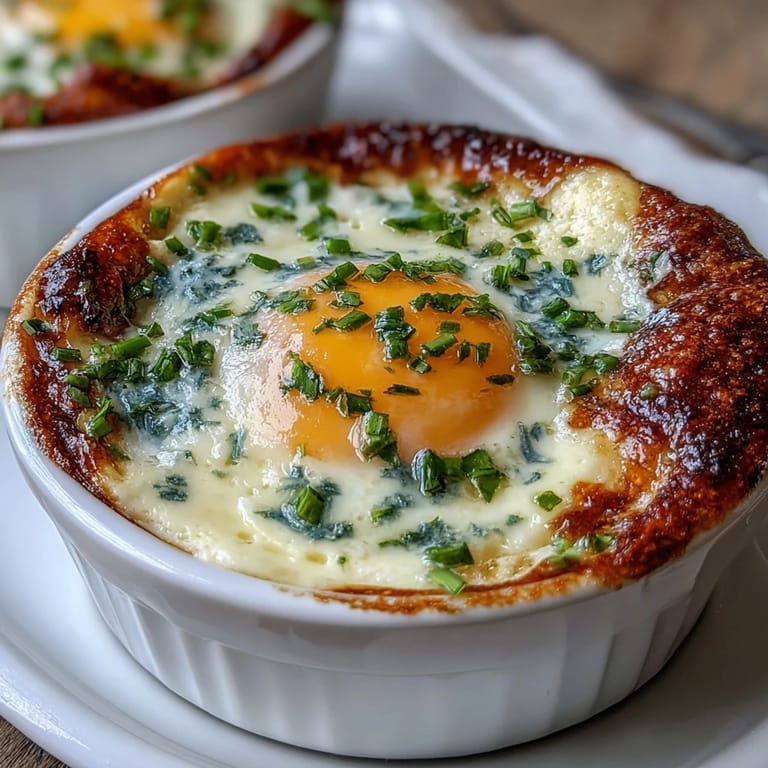
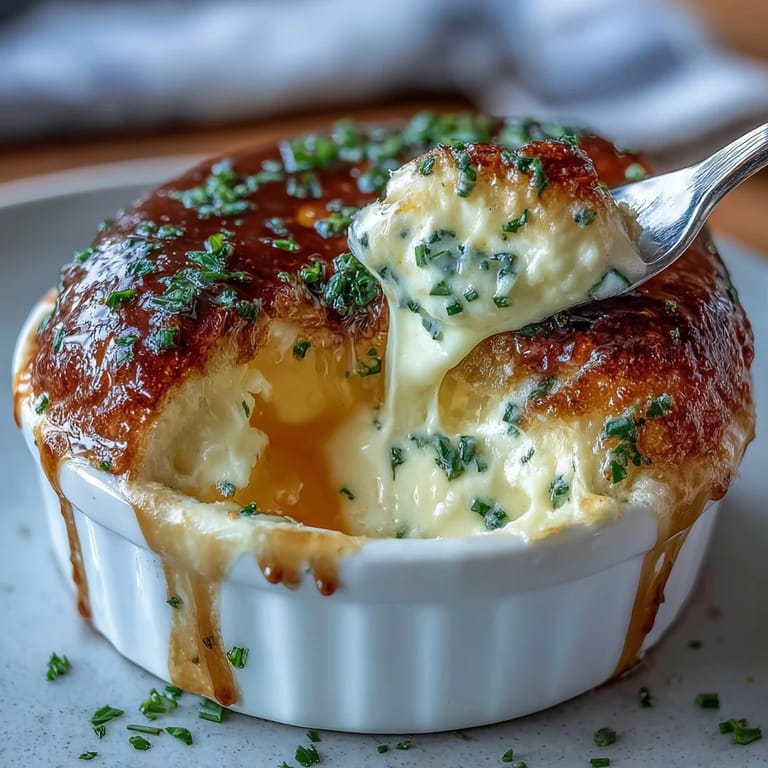
 A faint sizzle of butter in my ramekin was all it took to make me fall for eggs en cocotte. It was a chilly morning after a restless night, and all I wanted was a breakfast that felt like an embrace. That first spoonful was impossibly creamy and barely set, the herbs releasing their perfume the second the oven door opened. Not a grand holiday, just a Tuesday with early light and a craving for something soft and savory. There was no fuss, but the whole kitchen glowed with quiet comfort.
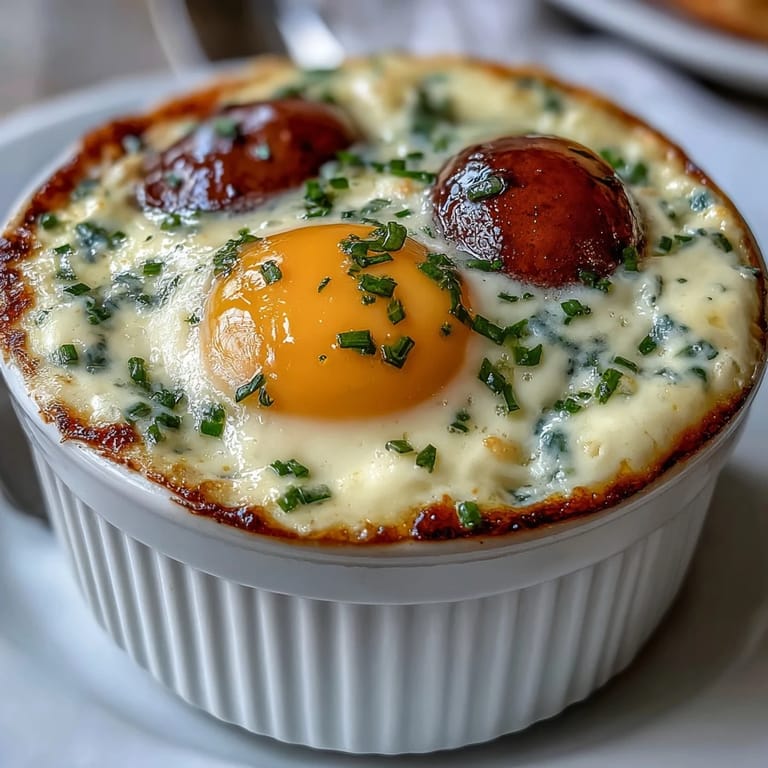
I still remember making these eggs for a brunch with friends, the windows fogged from a late spring rain and everyone lingering longer than planned. There was laughter about someone forgetting the orange juice, and floury bread left on every plates edge. Somehow these eggs, with their billowy whites and herby sauce, became the thing we all talked about afterward.
Ingredients
- Unsalted butter: Gives each ramekin golden edges and adds richness; dont skip greasing well to prevent sticking.
- Heavy cream: Cushions the eggs and turns into a velvety sauce while baking—pour it in cold, straight from the fridge.
- Parmesan cheese: Lends a nutty bite; finely grate it so it melts evenly over the eggs.
- Large eggs: Always crack into a separate bowl first, especially if freshness is a question, to avoid stray shells.
- Chopped fresh chives, parsley, and thyme: The combination makes it taste lively and bright; swap in what looks best at the market.
- Salt and freshly ground black pepper: Season just before baking to keep the eggs tender.
- Extra herbs (optional garnish): Scattering these at the end makes the ramekins feel special and fresh.
Tired of Takeout? 🥡
Get 10 meals you can make faster than delivery arrives. Seriously.
One email. No spam. Unsubscribe anytime.
Instructions
- Get the oven and water ready:
- Preheat your oven to 375°F (190°C), and set some water on to boil—steam is the secret to gentle custard.
- Butter the ramekins:
- Generously grease the insides with soft butter, reaching right up the sides.
- Layer in cream:
- Add 2 tablespoons of heavy cream to each ramekin, swirling to coat the bottom.
- Sprinkle first round of herbs and parmesan:
- Drop half the herbs and a little cheese over the cream for an herby, savory layer.
- Crack in the eggs:
- Crack two eggs into each ramekin, being gentle to keep the yolks whole and bright.
- Season and finish layering:
- Scatter over the rest of the herbs and parmesan, a pinch of salt and pepper, then dot with bits of butter on top.
- Prepare the water bath:
- Place ramekins in a deep baking dish, then pour hot water around them until it comes halfway up the sides.
- Bake until just set:
- Bake for 12 to 15 minutes, keeping an eye for when the whites are barely set and the yolks still glisten.
- Rest and serve:
- Carefully remove from the water, let them stand a couple minutes (theyll finish cooking with their own heat), then sprinkle with extra herbs if you like.
 Pin It
  Pin It
 I realized how special these eggs could be one slow Easter morning when the first ramekin went out, still steaming, and someone actually paused mid-toast just to appreciate the aroma. Passing the table, I saw friends hovering with their spoons, eager for that first creamy taste. In those minutes, these eggs felt like a gift—something simple but unforgettable.
Choosing Your Ramekins Makes a Difference
Not all ramekins are created equal—using smaller ones keeps the eggs cozy and ensures even baking. If your ramekins are wider, the eggs will set faster and might dry around the edges, so start checking a minute early. The sides should stay smooth and glossy for the best custardy texture.
Customizing the Flavor for Every Guest
I love slipping in surprises: a spoonful of sautéed spinach or a sliver of smoked salmon under the eggs turns these into a main dish worthy of any occasion. Last summer, goat cheese joined the mix for tang; in winter, Gruyère added warmth and depth. Its a recipe that welcomes whatever the crisper drawer has left behind.
Perfect Pairings for Serving
Nothing does these eggs justice like toast with crispy edges for dipping and scooping—the yolk mingling with melted cheese is not to be missed. A fresh citrus salad perks things up if you want something light on the side, but roasted potatoes transform it into a heartier meal. Either way, the real treat is watching everyone dig in with anticipation.
- Sprinkle the garnish at the last moment for color and aroma.
- If serving later, keep ramekins warm with a towel overtop for up to ten minutes.
- Be quick but careful removing from the water bath—the steam can sting.
 Pin It
  Pin It
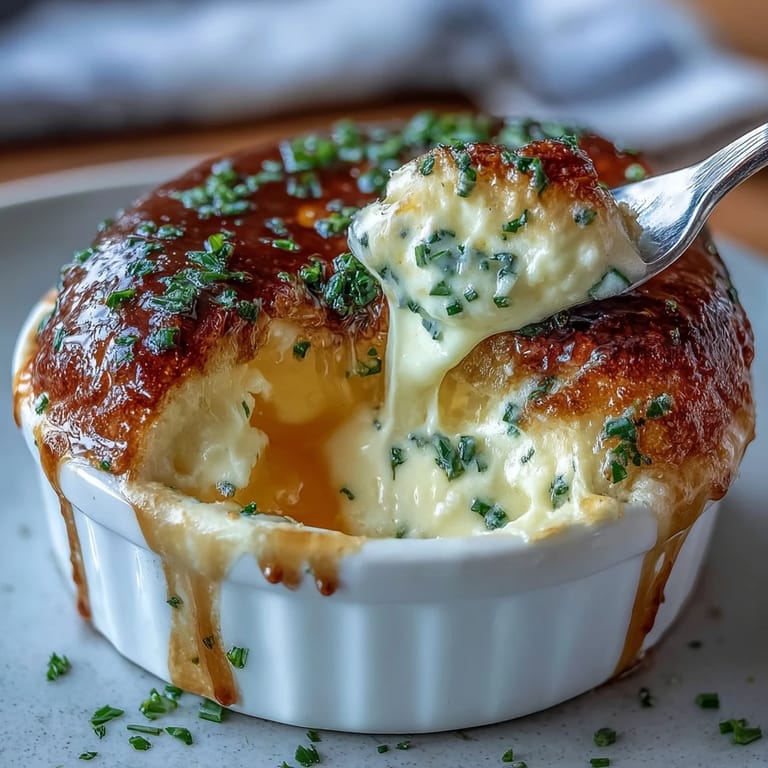
 Whether its a holiday or just a peaceful morning, let these eggs be a pause in your day. Every spoonful brings comfort and a reminder that simple can be spectacular.
Recipe FAQs
- → How do I judge doneness?
Egg whites should be set while yolks remain slightly jiggly. Bake 12–15 minutes for soft yolks; add 2–3 minutes for firmer yolks. Rest 1–2 minutes after removing from the water bath to finish setting.
- → Why use a hot water bath?
A water bath provides gentle, even heat around the ramekins, preventing curdling and producing silky custard-like whites instead of rubbery texture.
- → Can I prepare them ahead?
Yes. Assemble in ramekins, cover, and refrigerate up to 24 hours. Bring to room temperature before baking and add a few extra minutes to the baking time if chilled.
- → What are good cheese substitutions?
Gruyère, goat cheese, or a mild cheddar work well. Choose a cheese that melts smoothly and complements the herbs and cream without overpowering the eggs.
- → What add-ins pair well with this dish?
Smoked salmon, sautéed spinach, mushrooms, or a thin slice of ham can be placed beneath the eggs for extra flavor and texture. Finish with fresh chives or parsley.
- → How should I serve them?
Serve straight from the ramekins with toasted brioche or crusty bread for dipping. A light green salad balances the richness for brunch or supper.